

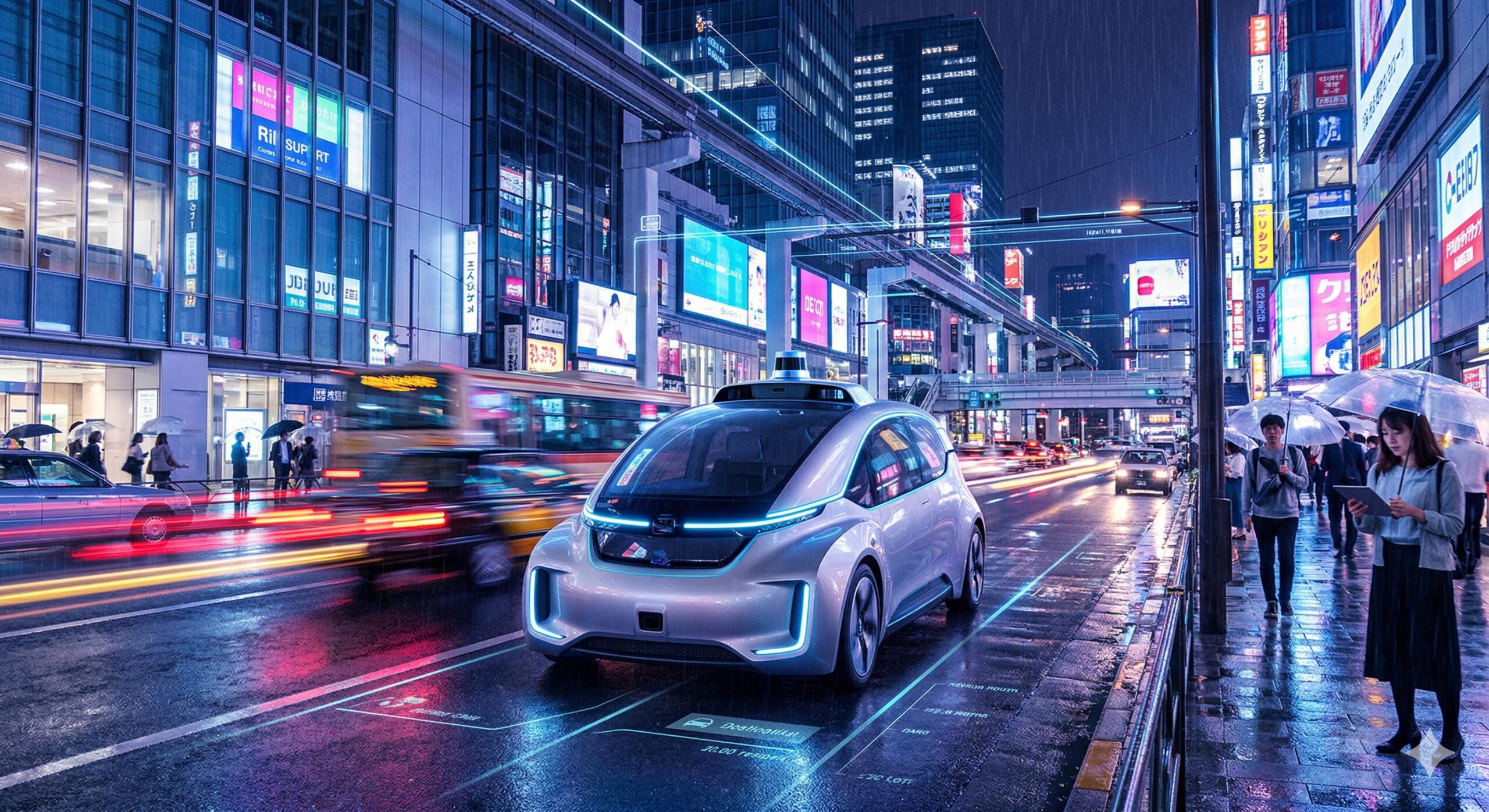
Smart cars are transforming the automotive industry and redefining the way we experience mobility. Today’s vehicles are no longer just machines built for transportation — they are intelligent systems powered by connectivity, artificial intelligence, and advanced technology. From real-time navigation and predictive maintenance to autonomous driving capabilities, smart cars are shaping a future that is safer, more efficient, and more sustainable.
As innovation accelerates, the concept of modern mobility is evolving beyond traditional driving. Technologies like connected vehicles, electric vehicles (EVs), and AI-powered systems are working together to create a smarter transportation ecosystem. This shift is not just about convenience — it represents a major leap toward a world where vehicles can communicate, adapt, and make intelligent decisions in real time.
Smart Cars and Connected Vehicles
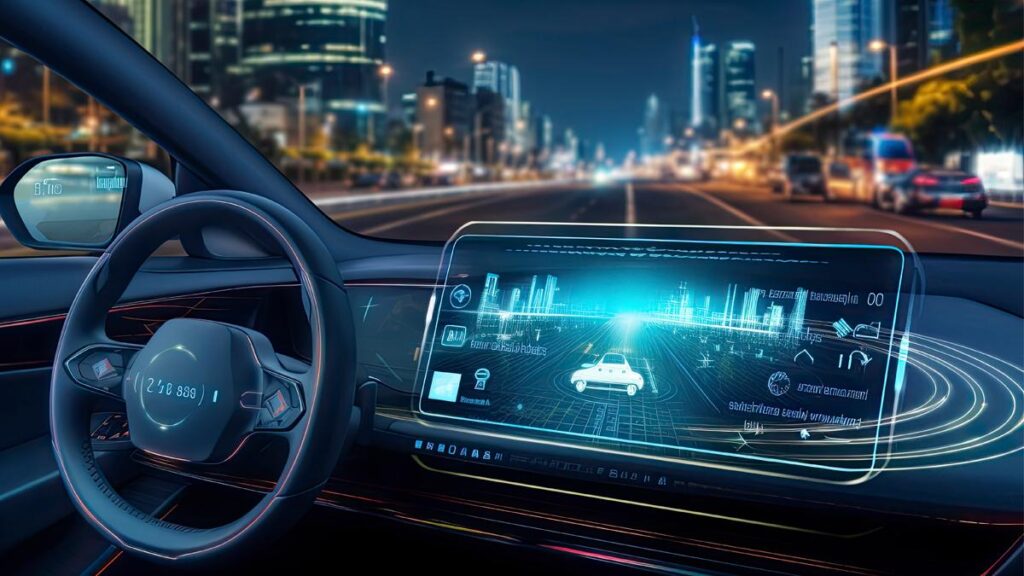
Smart cars are no longer a futuristic concept — they are already changing how we drive every day. Powered by AI in cars, data analytics, and Internet of Things (IoT) technology, these vehicles are designed to stay connected at all times.
Modern smart car technology allows vehicles to communicate with each other, traffic systems, and even city infrastructure through vehicle-to-everything (V2X) communication. This means your car can warn you about traffic ahead, detect potential hazards, and even suggest faster routes in real time.
What makes smart cars truly revolutionary is their ability to think and react. Features like predictive maintenance alerts, adaptive cruise control, and automated parking are no longer luxury add-ons — they are becoming standard in many modern vehicles.
Imagine driving a car that can:
- Avoid traffic automatically
- Alert you before a possible collision
- Find parking in crowded city spaces
This is not the future — this is happening now.
As connectivity continues to improve, smart cars are becoming smarter, safer, and more efficient, laying the foundation for a fully connected mobility ecosystem.
Smart Cars and Autonomous Driving
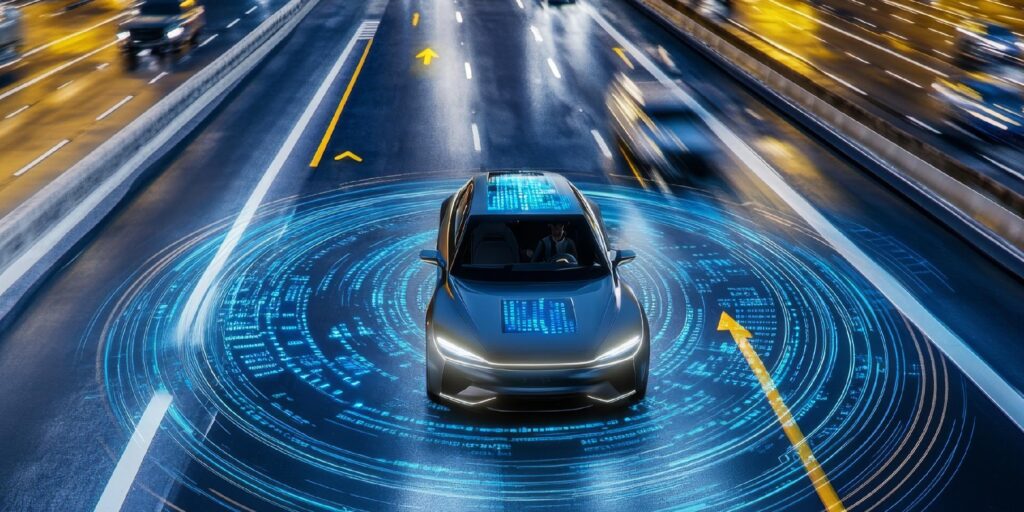
One of the biggest innovations driving the rise of smart cars is autonomous driving technology. Modern vehicles are increasingly equipped with advanced systems that allow them to assist — and in some cases replace — human drivers.
Powered by artificial intelligence and machine learning, these smart cars can analyze road conditions, detect obstacles, recognize traffic signs, and make split-second decisions. This significantly reduces human error, which is one of the leading causes of road accidents worldwide.
What makes autonomous features in smart cars so powerful is their ability to continuously learn and improve. With every mile driven, these systems gather data that helps enhance accuracy, safety, and performance.
Today, many vehicles already offer semi-autonomous features such as:
- Lane-keeping assist
- Adaptive cruise control
- Automatic emergency braking
- Traffic-aware navigation
These technologies are stepping stones toward fully self-driving cars.
As innovation progresses, smart cars will move closer to complete autonomy, where drivers may no longer need to control the vehicle at all. This will not only redefine convenience but also transform how we use travel time — turning it into an opportunity to work, relax, or stay connected.
The future of mobility is being shaped by intelligent systems, and autonomous driving is at the heart of this transformation.
Read More: Global Auto News: How Electric and Smart Vehicles Are Shaping the Future of Mobility
Smart Cars and Electric Vehicles (Sustainable Mobility)
The evolution of smart cars is closely connected with the rise of electric vehicles (EVs), creating a new era of sustainable and intelligent transportation. Modern smart cars are not only designed to be intelligent but also environmentally responsible.
Electric vehicles are transforming how energy is used in transportation. With zero tailpipe emissions and lower operating costs, EVs are becoming a key part of the global shift toward cleaner mobility. When combined with smart car technology, they offer a powerful mix of efficiency, performance, and sustainability.
Today’s smart cars come equipped with advanced energy management systems that optimize battery usage, improve range, and provide real-time data to drivers. Features like regenerative braking, smart charging, and route-based energy optimization make driving more efficient than ever.
Key advantages of combining EVs with smart cars include:
- Lower emissions and eco-friendly driving
- Reduced fuel and maintenance costs
- Intelligent energy management systems
- Seamless integration with smart charging networks
In addition, innovations like vehicle-to-grid (V2G) technology are allowing smart cars to not only consume energy but also supply it back to the grid when needed. This creates a more balanced and sustainable energy ecosystem.
As governments and manufacturers push toward electrification, the combination of smart cars and EV technology will play a crucial role in shaping the future of mobility — making it cleaner, smarter, and more efficient.
AI and IoT in Smart Cars
At the heart of modern smart cars lies the powerful combination of artificial intelligence (AI) and the Internet of Things (IoT). These technologies are what transform traditional vehicles into intelligent, connected machines capable of learning, adapting, and improving over time.
AI in smart cars enables systems to process massive amounts of data in real time. From recognizing road signs and detecting obstacles to analyzing driver behavior, AI plays a critical role in making driving safer and more efficient. It powers features like voice assistants, advanced navigation systems, and predictive maintenance alerts.
On the other hand, IoT connects different components of the vehicle — such as sensors, engines, and control units — to a central network. This allows smart cars to communicate not only internally but also with external systems like traffic signals, cloud servers, and other vehicles.
Together, AI and IoT make it possible for smart cars to:
- Monitor vehicle health and predict maintenance needs
- Provide real-time traffic and route optimization
- Enable seamless connectivity with mobile devices
- Enhance driver safety through intelligent assistance systems
This integration is what drives the continuous evolution of smart car technology. Vehicles are no longer static machines — they are constantly learning systems that improve performance, safety, and user experience with every journey.
As technology advances further, AI and IoT will continue to redefine how smart cars operate, bringing us closer to a fully connected and intelligent mobility ecosystem.
Trends Shaping Smart Cars and Modern Mobility
The rapid growth of smart cars is being driven by several key trends that are reshaping the entire automotive industry. These trends are not just improving vehicles — they are redefining how people interact with transportation in everyday life.
One of the biggest shifts is the rise of connected ecosystems, where smart cars function like smart devices on wheels. Modern vehicles now offer features such as over-the-air (OTA) updates, digital dashboards, and seamless smartphone integration, making driving more personalized and convenient.
Another major trend is the move toward automation and autonomy. As technology evolves, smart cars are becoming increasingly capable of handling complex driving tasks with minimal human input. This is paving the way for a future where fully autonomous vehicles become a reality.
At the same time, sustainability is playing a crucial role. With the growing adoption of electric vehicles and stricter emission norms, smart cars are being designed to reduce environmental impact while maintaining high performance.
Key trends shaping the future of smart cars include:
- Connected car ecosystems and cloud integration
- Over-the-air (OTA) software updates
- AI-driven personalization and driver assistance
- Expansion of electric and hybrid vehicles
- Vehicle-to-everything (V2X) communication
These innovations are turning smart cars into more than just a mode of transport — they are becoming intelligent mobility solutions that adapt to user needs and changing environments.
As these trends continue to evolve, the future of mobility will be defined by smarter, safer, and more sustainable vehicles.
Ride And Tech Insight
The rise of smart cars is not just about advanced technology — it’s about a complete shift in how we interact with mobility. Today’s vehicles are becoming smarter, more connected, and increasingly capable of making decisions that were once entirely dependent on the driver.
However, as it continue to evolve, one key factor becomes critical — user awareness. Features like AI-powered safety systems, connected driving, and semi-autonomous functions are only effective when drivers understand how to use them properly.
At Ride And Tech, we believe that the future of mobility lies in balancing innovation with real-world usability. While manufacturers are pushing the limits of technology, drivers must also adapt to this new era of intelligent vehicles.
The goal is not just to own smart cars, but to truly experience and understand them — because the smarter the machine becomes, the smarter the user needs to be.
Conclusion
The evolution of smart cars is redefining the future of transportation. With rapid advancements in AI, connectivity, and electric mobility, vehicles are no longer just tools for travel — they are intelligent systems designed to enhance safety, efficiency, and sustainability.
As innovation continues to shape the automotive industry, smart cars will play a central role in building a connected and intelligent mobility ecosystem. From autonomous driving to real-time communication and energy-efficient technologies, the transformation is already underway.
The future of transportation is not just about reaching a destination — it’s about doing it smarter, safer, and more efficiently. And with the rise of smart cars, that future is already here.
If you enjoyed this article, explore more insights on Ride And Tech, including our guides on automotive innovation, connected vehicles, and the future of smart mobility.
Copyright (c) Ride And Tech. All rights reserved.

2 thoughts on “Smart Cars, Smarter World: The Role of Innovation in Modern Mobility”