


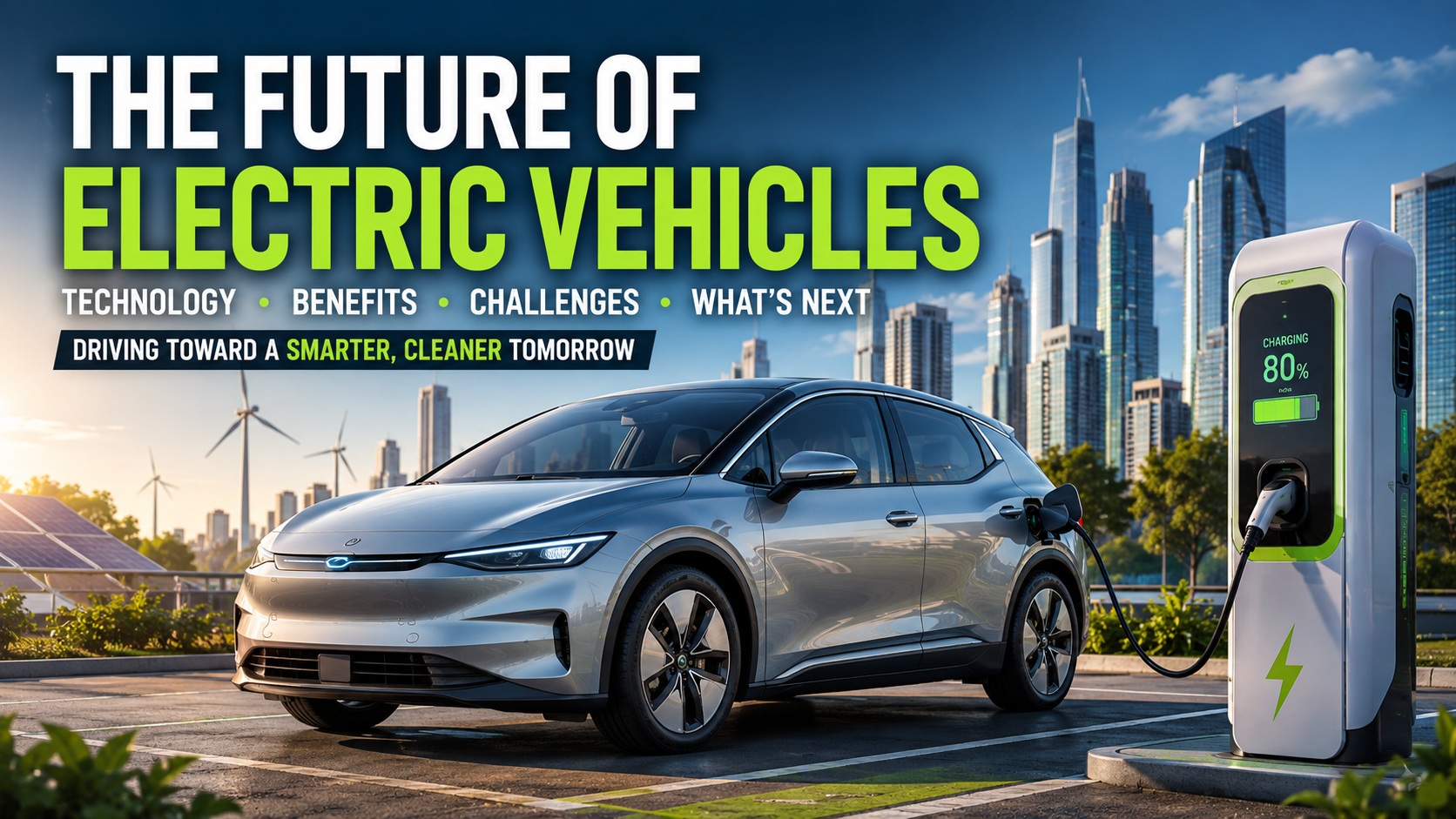
The future of electric vehicles is no longer a distant vision—it’s rapidly becoming today’s reality. Once considered a niche alternative to conventional petrol and diesel-powered vehicles, electric vehicles (EVs) have evolved into one of the most significant innovations in the global automotive industry. Driven by advancements in battery technology, expanding charging infrastructure, supportive government policies, and growing environmental awareness, EVs are transforming how people travel while reshaping the future of mobility.
Leading automakers, emerging EV manufacturers, technology companies, and governments worldwide are investing billions of dollars to accelerate the transition toward cleaner and smarter transportation. From affordable city commuters and premium electric SUVs to commercial fleets and high-performance sports cars, electric mobility is expanding across every segment of the automotive market. At the same time, software-defined vehicles, artificial intelligence, connected car technologies, and over-the-air (OTA) updates are redefining what modern vehicles can offer beyond traditional driving.
The shift is equally significant in India, where the electric mobility ecosystem is growing rapidly. Supported by government initiatives, increasing consumer awareness, improvements in charging infrastructure, and the introduction of new electric cars, motorcycles, and scooters, the country is steadily moving toward a more sustainable transportation future. As battery technology continues to improve and charging networks become more accessible, electric vehicles are becoming a practical choice for both personal and commercial use.
In this comprehensive guide, we’ll explore the future of electric vehicles, the technologies driving their growth, the benefits and challenges of EV adoption, their impact on the automotive industry, and what consumers can expect as electric mobility continues to evolve over the coming years.
What Is Driving the Future of Electric Vehicles?
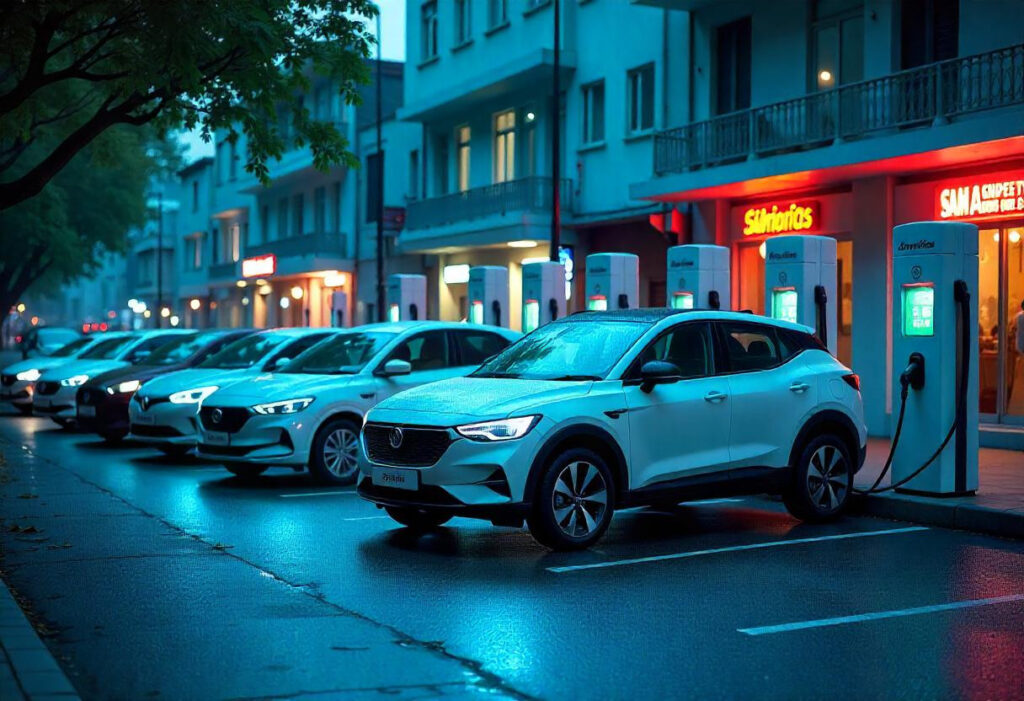
The rapid growth of electric vehicles is being driven by a combination of technological innovation, environmental responsibility, government support, and changing consumer expectations. What was once viewed as an alternative mode of transportation has now become a central focus of the global automotive industry. As countries work to reduce greenhouse gas emissions and improve energy security, electric vehicles are playing an increasingly important role in the transition toward cleaner and more sustainable mobility.
Growing Environmental Awareness
One of the biggest factors behind the rise of electric vehicles is the growing concern over climate change and urban air pollution. Road transportation is a significant contributor to global carbon emissions, and many governments have introduced stricter emission standards to reduce the environmental impact of conventional internal combustion engine (ICE) vehicles. Since battery electric vehicles produce zero tailpipe emissions during operation, they are considered an important step toward improving air quality and reducing dependence on fossil fuels.
Avore Electric EX Series Launched in India: Up to 260 km Range, Price & Full Specifications
It’s important to note, however, that the overall environmental impact of an electric vehicle depends on several factors, including how the electricity used for charging is generated, the manufacturing process, and battery recycling practices. As more countries adopt renewable energy sources such as solar and wind power, the sustainability benefits of electric vehicles continue to improve.
Rapid Advances in EV Technology
Technological innovation has transformed electric vehicles from niche products into practical daily transportation. Modern EVs offer significantly improved driving range, faster charging capabilities, intelligent battery management systems, regenerative braking, and advanced safety technologies.
Battery technology has seen remarkable progress over the past decade, enabling manufacturers to produce vehicles with greater efficiency, improved durability, and lower operating costs. At the same time, software-defined vehicle platforms, over-the-air (OTA) software updates, and connected car technologies are allowing manufacturers to continuously improve vehicle performance and introduce new features without requiring a visit to the dealership.
Strong Government Support
Governments around the world are encouraging the adoption of electric mobility through financial incentives, tax benefits, stricter emission regulations, and investments in charging infrastructure. Many countries have announced long-term plans to increase the share of zero-emission vehicles while supporting the expansion of public charging networks and clean energy initiatives.
In India, government programs, state-level incentives, and continued investments in charging infrastructure are helping accelerate EV adoption across passenger vehicles, commercial fleets, and two-wheelers. These initiatives are making electric mobility increasingly accessible to a wider range of consumers.
Changing Consumer Preferences
Consumer expectations have evolved significantly in recent years. Buyers are looking for vehicles that offer lower running costs, advanced technology, connected features, and reduced environmental impact. Electric vehicles meet many of these expectations by providing smooth acceleration, quieter driving, lower maintenance requirements, and access to the latest digital features.
Increasing fuel prices, improvements in charging infrastructure, and the availability of new EV models across multiple price segments have also encouraged more consumers to consider electric vehicles as their next purchase.
Massive Investments from Automakers
Nearly every major automobile manufacturer is investing heavily in electric mobility. Companies are developing dedicated EV platforms, building battery manufacturing facilities, forming strategic partnerships, and expanding their electric vehicle portfolios to meet growing global demand.
At the same time, new EV-focused manufacturers are introducing innovative technologies that are accelerating competition across the industry. This increased competition is driving continuous improvements in battery efficiency, charging speeds, vehicle software, safety systems, and overall customer experience, further shaping the future of electric vehicles.
How EV Technology Is Revolutionizing the Automotive Industry
The rapid evolution of electric vehicle technology is transforming the automotive industry far beyond replacing petrol and diesel engines with electric motors. Modern EVs combine advanced battery systems, intelligent software, connected technologies, and energy-efficient engineering to deliver a driving experience that is cleaner, smarter, and more efficient than ever before.
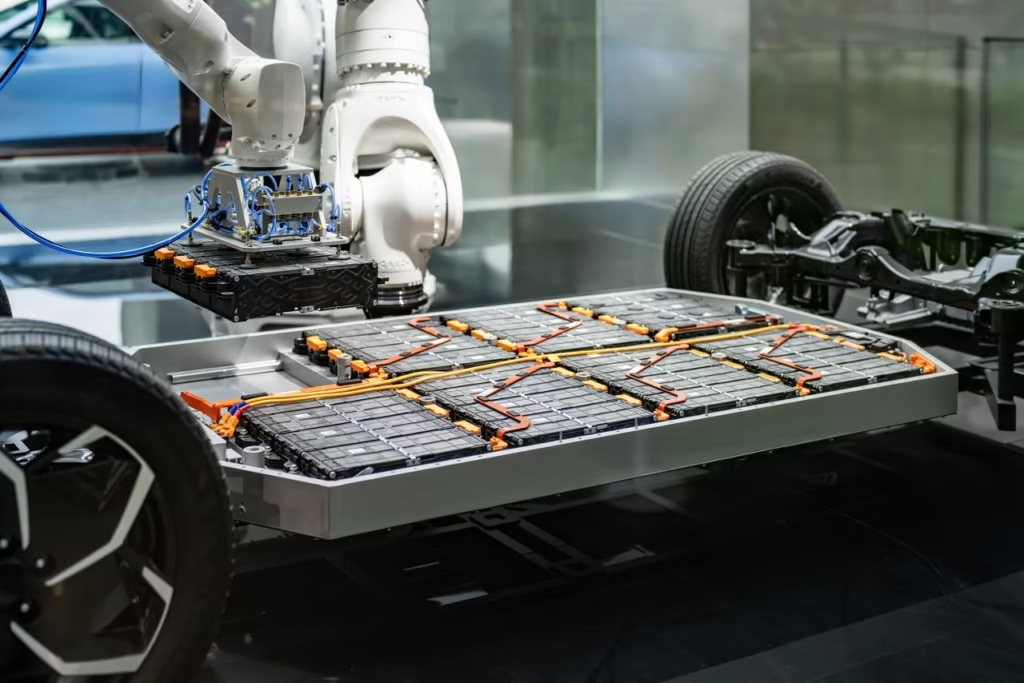
Unlike conventional vehicles, today’s electric cars are designed around dedicated electric platforms that optimize battery placement, improve safety, increase cabin space, and enhance overall vehicle performance. Continuous advancements in battery chemistry, charging technology, artificial intelligence, and vehicle software are making electric vehicles more practical and appealing to a wider range of consumers.
Advanced Battery Technologies
The battery is the heart of every electric vehicle, and continuous improvements in battery technology have been one of the biggest drivers of EV adoption. Modern batteries offer greater driving range, faster charging, improved safety, and longer service life compared to earlier generations.
Today, manufacturers use different battery chemistries depending on the vehicle’s purpose and target market.
Lithium Iron Phosphate (LFP) batteries have become increasingly popular due to their excellent thermal stability, long lifespan, and lower production costs. They are commonly used in affordable passenger EVs and commercial vehicles where durability and safety are key priorities.
Nickel Manganese Cobalt (NMC) batteries provide higher energy density, allowing vehicles to travel longer distances on a single charge. These batteries are widely used in premium electric vehicles where maximizing driving range and performance is important.
Looking ahead, Sodium-ion batteries are emerging as a promising alternative because sodium is more abundant and potentially less expensive than lithium. While still in the early stages of commercial adoption, this technology could help reduce battery costs and diversify the global battery supply chain.
Another exciting development is solid-state battery technology. Unlike conventional lithium-ion batteries that use liquid electrolytes, solid-state batteries use solid electrolytes, offering the potential for higher energy density, faster charging, improved safety, and longer battery life. Although limited commercial deployment has begun, widespread adoption is still expected over the coming years as manufacturing technologies mature.
Battery Management Systems (BMS)
A battery is only as effective as the system managing it. Every modern electric vehicle uses a sophisticated Battery Management System (BMS) that continuously monitors battery health, voltage, temperature, and charging performance.
The BMS ensures that each battery cell operates within safe limits, prevents overheating, balances energy distribution across cells, and optimizes charging and discharging cycles. This intelligent management not only improves safety but also extends battery lifespan and helps maintain consistent vehicle performance over many years of use.
High-Efficiency Electric Motors
Electric motors are significantly simpler than traditional internal combustion engines because they contain fewer moving parts. This simplicity contributes to higher reliability, reduced maintenance requirements, and greater energy efficiency.
One of the biggest advantages of electric motors is their ability to deliver maximum torque instantly. Unlike petrol or diesel engines that need to build engine speed before reaching peak performance, electric motors provide immediate acceleration from a standstill, creating a smooth and responsive driving experience.
Manufacturers continue to improve motor efficiency through advanced materials, lightweight construction, and innovative cooling systems, allowing modern EVs to travel farther while consuming less energy.
Regenerative Braking
Electric vehicles recover energy that would otherwise be lost during braking through a technology known as regenerative braking.
When the driver slows down or releases the accelerator, the electric motor temporarily acts as a generator, converting the vehicle’s kinetic energy into electrical energy. This recovered energy is then stored back in the battery, helping extend driving range while reducing wear on traditional brake components.
Regenerative braking has become a standard feature in modern EVs and plays an important role in improving overall energy efficiency, particularly during city driving where frequent braking occurs.
Faster and Smarter Charging Technologies
Charging technology has advanced significantly in recent years, making electric vehicles more convenient for everyday use.
Home AC chargers remain the most common solution for overnight charging, while public DC fast chargers can replenish a substantial portion of a vehicle’s battery in a relatively short period, depending on the vehicle’s charging capabilities and the charger used.
Automakers are also improving battery thermal management systems and charging software to optimize charging speeds while protecting long-term battery health. Meanwhile, ultra-fast charging networks continue to expand globally, reducing charging times and making long-distance EV travel increasingly practical.
Emerging technologies such as wireless charging and automated charging systems are also under development and could further simplify the EV ownership experience in the future.
Software-Defined Vehicles (SDVs)
Modern electric vehicles are increasingly being built as Software-Defined Vehicles (SDVs), where software plays a central role in controlling and enhancing vehicle functions. Unlike traditional vehicles, where features remain largely unchanged after purchase, SDVs can continuously improve through software updates throughout their lifecycle.
Everything from battery performance and energy management to infotainment systems, navigation, driver assistance features, and security can be optimized using software. This approach allows manufacturers to introduce new functionalities, improve efficiency, and resolve software-related issues without requiring extensive hardware changes.
As software becomes more important in vehicle development, automakers are investing heavily in digital platforms that make vehicles smarter, safer, and more adaptable to changing customer needs.
Over-the-Air (OTA) Software Updates
One of the biggest advantages of software-defined vehicles is the ability to receive Over-the-Air (OTA) software updates. Similar to smartphones, many modern electric vehicles can download and install software improvements wirelessly without requiring a visit to a service center.
OTA updates can improve battery management, optimize charging performance, enhance navigation systems, introduce new infotainment features, strengthen cybersecurity, and refine advanced driver assistance systems (ADAS). Manufacturers can also fix software bugs, improve energy efficiency, and even unlock new features after the vehicle has been delivered to customers.
This capability ensures that electric vehicles remain up to date with the latest software improvements throughout their ownership period.
Artificial Intelligence and Smart Energy Management
Artificial Intelligence (AI) is becoming an integral part of modern electric vehicles. AI-powered systems analyze driving patterns, traffic conditions, weather, terrain, and battery status to optimize energy consumption and maximize driving range.
Intelligent route planning can recommend charging stops based on battery level and real-time charger availability, while predictive algorithms help estimate remaining range more accurately. AI also supports voice assistants, driver monitoring systems, predictive maintenance, and personalized vehicle settings, creating a safer and more convenient driving experience.
As AI technology continues to evolve, electric vehicles are expected to become even more efficient, autonomous, and responsive to individual driver preferences.
Connected Car Technologies
Today’s electric vehicles are designed to stay connected through cloud-based services, mobile applications, and high-speed internet connectivity. This enables owners to monitor and control various vehicle functions remotely using their smartphones.
Connected car features often include remote charging management, battery status monitoring, cabin pre-conditioning, vehicle location tracking, digital key functionality, navigation updates, and real-time vehicle diagnostics. These connected services improve convenience while allowing manufacturers to collect anonymized performance data that can be used to enhance future software updates and vehicle reliability.
The growing integration of connected technologies is transforming vehicles into intelligent mobility platforms rather than standalone machines.
Heat Pumps for Improved Energy Efficiency
Many modern electric vehicles now use heat pump technology to improve energy efficiency, particularly in colder climates. Unlike conventional electric heaters that consume significant battery power, heat pumps transfer heat more efficiently, helping maintain cabin comfort while reducing energy consumption.
This results in improved driving range during winter conditions and better overall battery efficiency. As manufacturers continue to refine thermal management systems, heat pumps are becoming increasingly common across a wider range of electric vehicles.
Vehicle-to-Load (V2L) and Vehicle-to-Grid (V2G)
Electric vehicles are evolving beyond transportation and are increasingly capable of supplying electricity to external devices and even the power grid.
Vehicle-to-Load (V2L) technology allows an EV to power household appliances, camping equipment, tools, or electronic devices directly from the vehicle’s battery. This feature is particularly useful during outdoor activities or emergency situations where portable power is needed.
Vehicle-to-Grid (V2G) technology takes this concept further by enabling compatible electric vehicles to send stored electricity back to the power grid when demand is high. In the future, V2G could help stabilize electricity networks, support renewable energy integration, and allow EV owners to participate in smart energy management programs.
Although V2G infrastructure is still developing in many regions, it represents an important step toward creating a more resilient and sustainable energy ecosystem.
Driving the Future of Mobility
The combination of advanced batteries, intelligent software, connected technologies, artificial intelligence, and innovative energy management systems is fundamentally changing what consumers expect from a vehicle. Modern electric vehicles are no longer simply an alternative to conventional cars—they are becoming intelligent, continuously evolving mobility platforms that offer greater efficiency, convenience, and sustainability.
As these technologies continue to mature, they will play a critical role in shaping the future of electric vehicles and accelerating the transformation of the global automotive industry.
Benefits of Electric Vehicles
Electric vehicles have evolved beyond being environmentally friendly alternatives to conventional cars. Thanks to rapid advancements in technology, improved charging infrastructure, and growing market competition, modern EVs offer numerous advantages that appeal to individual consumers, businesses, and governments alike. From lower operating costs to advanced driving technologies, electric vehicles are reshaping the ownership experience while contributing to a more sustainable transportation ecosystem.
Lower Running Costs
One of the biggest advantages of owning an electric vehicle is its lower day-to-day operating cost. Electricity is generally more affordable than petrol or diesel on a per-kilometre basis, allowing EV owners to reduce their overall transportation expenses. Charging at home during off-peak hours can further lower running costs, making electric vehicles an economical option for regular commuters.
While electricity prices vary by region, many EV owners experience noticeable savings over the lifetime of the vehicle, especially those with higher annual driving distances.
Reduced Maintenance Requirements
Electric vehicles have significantly fewer moving parts than conventional internal combustion engine (ICE) vehicles. Since they do not require components such as engine oil, spark plugs, timing belts, fuel filters, or complex exhaust systems, routine maintenance is generally simpler and less frequent.
Regenerative braking also reduces wear on traditional brake components, helping extend the lifespan of brake pads and discs. As a result, many EV owners benefit from lower maintenance costs throughout the vehicle’s lifecycle.
Zero Tailpipe Emissions
Battery electric vehicles produce zero tailpipe emissions during operation, helping improve air quality in urban areas and reducing exposure to harmful pollutants such as nitrogen oxides and particulate matter. This makes EVs particularly beneficial in densely populated cities where traffic-related pollution is a major concern.
Although the overall environmental impact depends on electricity generation and battery production, increasing adoption of renewable energy sources continues to improve the sustainability of electric mobility.
Smooth and Responsive Performance
Electric motors deliver instant torque, providing rapid acceleration without the need for traditional gear changes. The result is a smooth, quiet, and highly responsive driving experience that many drivers find more enjoyable than conventional vehicles.
The low-mounted battery pack also lowers the vehicle’s centre of gravity, improving stability, handling, and overall driving dynamics.
Convenient Home Charging
Unlike conventional vehicles that require regular visits to fuel stations, many electric vehicle owners can conveniently charge their vehicles at home overnight. Starting each day with a fully charged battery adds convenience to daily commuting and reduces dependence on public charging stations for routine travel.
As charging infrastructure continues to expand, workplace chargers, shopping centres, highways, and public charging hubs are making long-distance travel increasingly practical.
Advanced Technology and Connectivity
Modern electric vehicles are equipped with advanced digital features that enhance convenience, safety, and the overall ownership experience. Many EVs offer large touchscreen infotainment systems, smartphone integration, connected car services, voice assistants, over-the-air software updates, and advanced driver assistance systems (ADAS).
These technologies allow manufacturers to continuously improve vehicle functionality while providing owners with access to new features and performance enhancements throughout the vehicle’s lifespan.
Supporting Energy Independence
Electric vehicles can help reduce dependence on imported fossil fuels by utilizing electricity generated from diverse energy sources, including solar, wind, hydroelectric, and nuclear power. As countries continue investing in renewable energy, electric mobility supports greater energy security while contributing to national sustainability goals.
This transition also helps strengthen domestic industries involved in battery manufacturing, charging infrastructure, renewable energy, and advanced automotive technologies.
Driving Innovation and Economic Growth
The rapid expansion of the EV industry is creating new opportunities across multiple sectors, including automotive manufacturing, battery production, software development, renewable energy, charging infrastructure, and recycling technologies.
Governments and private companies are investing heavily in research, development, and workforce training, creating skilled jobs while accelerating innovation throughout the transportation sector.
A Better Ownership Experience
Modern electric vehicles combine lower operating costs, advanced technologies, quiet performance, and simplified maintenance into an ownership experience that continues to improve each year. As battery technology advances and charging networks become more widespread, electric vehicles are becoming increasingly practical for a broader range of drivers.
For many consumers, the decision to switch to an EV is no longer driven solely by environmental concerns—it is also influenced by convenience, technology, long-term cost savings, and the evolving expectations of modern mobility.
Challenges Facing the Future of Electric Vehicles
Despite the rapid growth of electric vehicles, several challenges continue to influence their widespread adoption. While technology is advancing and governments are investing heavily in electric mobility, addressing these obstacles will be essential to ensuring a smooth and sustainable transition from conventional internal combustion engine (ICE) vehicles. Fortunately, many of these challenges are already being tackled through innovation, policy support, and infrastructure development.
Charging Infrastructure Expansion
Although public charging networks are growing rapidly, charging availability still varies significantly between countries, cities, and rural areas. Urban regions generally have better access to charging stations, while remote locations may offer fewer options, making long-distance travel planning more important for EV owners.
Governments, energy companies, and private charging network operators are continuously expanding charging infrastructure, including fast-charging corridors along major highways. As these networks become more widespread, charging convenience is expected to improve significantly.
Higher Upfront Purchase Costs
Electric vehicles often have a higher initial purchase price than comparable petrol or diesel models, primarily because batteries remain one of the most expensive components of an EV. While ownership costs are typically lower over time due to reduced fuel and maintenance expenses, the higher upfront investment can still influence purchasing decisions for many consumers.
Advances in battery manufacturing, increased production volumes, and growing market competition are gradually helping reduce EV prices, making electric mobility more accessible across different market segments.
Charging Time Compared to Refuelling
Refuelling a conventional vehicle usually takes only a few minutes, whereas charging an electric vehicle generally requires more time. Home charging is convenient for overnight use, but drivers on long journeys may need to plan charging stops depending on battery capacity, charger availability, and charging speed.
The introduction of faster DC charging technologies and improvements in battery chemistry are steadily reducing charging times, making long-distance EV travel increasingly practical.
Battery Degradation and Replacement Concerns
Like all rechargeable batteries, EV batteries gradually lose some capacity over time. However, modern battery management systems are designed to minimise degradation by carefully controlling charging and operating conditions.
Most manufacturers provide long-term battery warranties, reflecting increased confidence in battery durability. For many drivers, battery degradation is slower than initially expected, allowing vehicles to retain a high level of performance over many years of regular use.
Raw Material Supply and Battery Recycling
The growing demand for electric vehicles has increased the need for critical raw materials such as lithium, nickel, cobalt, and graphite. Ensuring responsible sourcing while reducing environmental and social impacts remains an important challenge for the industry.
At the same time, battery recycling is becoming a major area of investment. Advanced recycling technologies can recover valuable materials from used batteries, reducing waste and supporting a more circular economy. Researchers are also exploring alternative battery chemistries that rely on more abundant materials to strengthen long-term supply chains.
Electricity Grid Readiness
As EV adoption continues to increase, electricity networks will need to support greater charging demand. Smart charging systems, renewable energy integration, energy storage solutions, and modernised grid infrastructure will all play important roles in maintaining reliable electricity supplies.
Technologies such as Vehicle-to-Grid (V2G) have the potential to transform electric vehicles into distributed energy resources, allowing them to support grid stability during periods of high demand.
Consumer Awareness and Adoption
Although public awareness of electric vehicles has improved considerably, some consumers still have concerns regarding driving range, charging availability, battery lifespan, and long-term ownership costs. Misconceptions about EV performance and maintenance also continue to influence purchasing decisions.
As more drivers gain firsthand experience with electric vehicles and manufacturers introduce a wider variety of models across different price segments, consumer confidence is expected to continue growing.
Overcoming the Roadblocks
The challenges facing electric vehicles are real, but they are not insurmountable. Continuous advancements in battery technology, expanding charging infrastructure, supportive government policies, and increasing industry investment are steadily addressing many of the barriers to EV adoption.
Rather than slowing the transition, these challenges are driving innovation across the automotive and energy sectors. As technology matures and infrastructure improves, electric vehicles are expected to become even more practical, affordable, and accessible for consumers worldwide.
India’s Electric Vehicle Revolution
India is rapidly emerging as one of the world’s most promising electric vehicle markets. Rising fuel prices, supportive government policies, expanding charging infrastructure, and increasing consumer awareness are accelerating the country’s transition toward electric mobility. While the pace of adoption varies across vehicle segments, electric two-wheelers, three-wheelers, passenger cars, and commercial vehicles are all contributing to India’s evolving EV ecosystem.
Unlike many developed markets where passenger cars dominate EV adoption, India’s electric mobility journey is being shaped by a diverse mix of vehicles that cater to different transportation needs. This unique approach is helping drive sustainable mobility across both urban and rural regions.
Government Policies Supporting EV Adoption
The Indian government has introduced several initiatives to encourage electric mobility and reduce dependence on fossil fuels. These policies focus on promoting domestic manufacturing, expanding charging infrastructure, improving battery technology, and increasing the adoption of cleaner transportation solutions.
In addition to central government initiatives, several state governments offer incentives such as road tax exemptions, registration fee waivers, and subsidies to encourage EV purchases. These measures are helping make electric vehicles more affordable while supporting long-term industry growth.
Growth of Electric Passenger Vehicles
India’s passenger EV segment has expanded significantly over the past few years, with manufacturers introducing electric hatchbacks, sedans, SUVs, and premium models across various price ranges. Improved battery technology, longer driving ranges, and better charging infrastructure have increased consumer confidence in electric cars.
Leading manufacturers continue to invest in dedicated EV platforms while expanding their product portfolios to meet the growing demand for electric mobility. Increased competition is also encouraging innovation, giving consumers more choices than ever before.
Electric Two-Wheelers Leading the Transition
Electric scooters and motorcycles are playing a crucial role in India’s EV revolution. With relatively shorter daily travel distances and lower operating costs, two-wheelers are well suited to electric powertrains.
Manufacturers are introducing new models featuring improved battery performance, connected technologies, fast-charging capabilities, and enhanced safety features. The rapid adoption of electric two-wheelers is helping reduce fuel consumption and urban emissions while making electric mobility accessible to a wider section of the population.
Commercial Vehicles and Fleet Electrification
Electric mobility is also transforming commercial transportation in India. Delivery companies, ride-hailing services, public transportation operators, and logistics providers are increasingly adopting electric vehicles to reduce operating costs and meet sustainability goals.
Electric buses, light commercial vehicles, and cargo three-wheelers are becoming more common in cities across the country, supporting cleaner public transport and more efficient last-mile delivery operations.
Expansion of Charging Infrastructure
A reliable charging network is essential for widespread EV adoption, and India’s charging infrastructure continues to expand across highways, urban centres, residential communities, workplaces, shopping malls, and public parking facilities.
Private companies, automobile manufacturers, energy providers, and government agencies are investing in fast-charging networks to improve accessibility and reduce charging anxiety. As charging stations become more widely available, electric vehicles are becoming increasingly practical for both city driving and intercity travel.
Challenges and Opportunities
Despite strong momentum, India’s EV ecosystem still faces challenges such as charging availability in smaller towns, battery supply chains, affordability, and consumer awareness. Addressing these issues will require continued investment in infrastructure, technological innovation, and supportive policy frameworks.
At the same time, these challenges present significant opportunities for growth. Battery manufacturing, recycling, software development, charging infrastructure, renewable energy integration, and advanced automotive engineering are expected to create new industries and skilled employment opportunities across the country.
India’s Road to an Electric Future
India’s electric vehicle journey is still evolving, but the direction is clear. Continued investments in technology, manufacturing, infrastructure, and clean energy are positioning the country as an important player in the global EV landscape.
As more affordable models enter the market and charging networks continue to grow, electric vehicles are expected to become an increasingly common choice for Indian consumers. The combination of innovation, policy support, and rising environmental awareness will play a vital role in shaping the future of electric vehicles in India and contributing to a cleaner, smarter, and more sustainable transportation ecosystem.
What Does the Future Hold for Electric Vehicles?
The future of electric vehicles extends far beyond replacing conventional petrol and diesel-powered cars. As battery technology, artificial intelligence, connected mobility, and renewable energy continue to evolve, EVs are expected to become increasingly intelligent, efficient, and integrated into everyday life. Over the coming decade, the automotive industry is likely to experience one of its most significant transformations, with electric mobility playing a central role in shaping the future of transportation.
Next-Generation Battery Innovations
Battery technology will continue to be one of the biggest drivers of EV development. Researchers and manufacturers are working on next-generation battery chemistries that promise longer driving ranges, faster charging, improved safety, and lower production costs.
Advances in solid-state batteries, sodium-ion technology, battery recycling, and energy storage solutions are expected to improve vehicle performance while making electric vehicles more affordable for a broader range of consumers.
Smarter and More Connected Vehicles
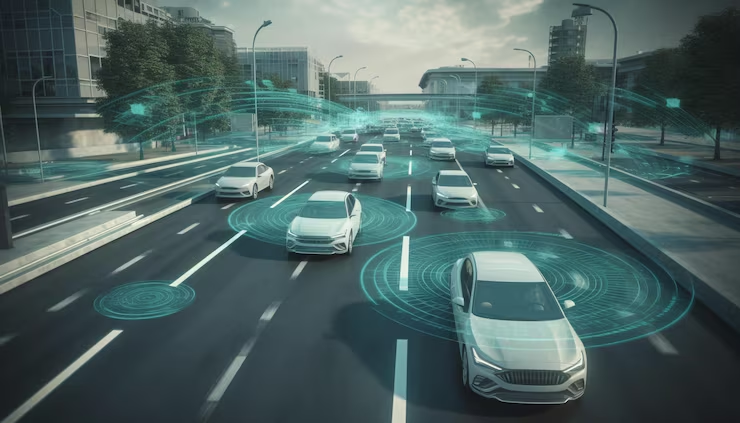
Future electric vehicles will become increasingly software-driven, receiving continuous improvements through over-the-air updates and cloud-based services. Artificial intelligence will play a greater role in optimizing energy management, enhancing navigation, improving predictive maintenance, and personalizing the driving experience.
Connected vehicle ecosystems will enable seamless communication between vehicles, charging stations, smart homes, and transportation infrastructure, creating a more efficient and convenient mobility experience.
Renewable Energy Integration
The relationship between electric vehicles and renewable energy is expected to grow even stronger in the coming years. Home solar systems, battery storage solutions, and smart charging technologies will allow many EV owners to charge their vehicles using clean electricity while reducing dependence on conventional power sources.
Technologies such as Vehicle-to-Grid (V2G) and Vehicle-to-Home (V2H) could enable electric vehicles to support electricity grids during peak demand or provide backup power for homes, further strengthening the connection between transportation and sustainable energy.
Autonomous and Intelligent Mobility
Electric vehicles are expected to play an important role in the development of autonomous driving technologies. While fully self-driving vehicles still face technical, regulatory, and safety challenges, advanced driver assistance systems (ADAS), intelligent sensors, and AI-powered decision-making continue to improve every year.
Future mobility is likely to combine electrification, automation, and connectivity, creating safer, more efficient, and increasingly intelligent transportation systems.
Expanding Charging Networks
Charging infrastructure will continue to improve through the deployment of ultra-fast charging stations, smarter charging management systems, and wider coverage across urban and rural areas. Continued investment from governments, utilities, and private companies is expected to make charging more convenient and reliable for EV owners.
Innovations such as wireless charging and automated charging solutions may further simplify the ownership experience as these technologies mature.
A Sustainable Mobility Ecosystem
The future of electric vehicles is closely linked to the development of a broader sustainable mobility ecosystem. Battery recycling, responsible sourcing of raw materials, renewable energy generation, and circular manufacturing practices will become increasingly important as EV adoption grows worldwide.
Automakers are already investing in cleaner manufacturing processes and sustainable supply chains to reduce the environmental impact of vehicle production while supporting long-term climate goals.
The Road Ahead
Electric vehicles have already transformed the automotive industry, and their influence will continue to grow in the years ahead. Although challenges such as charging infrastructure, affordability, battery supply chains, and energy demand remain, continuous innovation and investment are steadily addressing these barriers.
Rather than representing the end of conventional vehicles overnight, the future will likely see electric vehicles, hybrid technologies, and other low-emission solutions coexist as the global transportation sector evolves. With ongoing advancements in technology, supportive government policies, and increasing consumer acceptance, electric vehicles are well positioned to become a cornerstone of modern mobility, driving a cleaner, smarter, and more sustainable automotive future.
Frequently Asked Questions (FAQs)
1. What is the future of electric vehicles?
The future of electric vehicles looks highly promising as advancements in battery technology, charging infrastructure, artificial intelligence, and connected vehicle systems continue to reshape the automotive industry. Governments, automakers, and technology companies are investing heavily in electric mobility, making EVs more efficient, affordable, and accessible than ever before.
2. Are electric vehicles better than petrol and diesel cars?
Electric vehicles offer several advantages, including lower running costs, reduced maintenance requirements, zero tailpipe emissions, and instant torque for smoother acceleration. However, petrol and diesel vehicles may still be more suitable for certain users depending on driving habits, charging availability, and long-distance travel requirements. The right choice depends on individual needs and local infrastructure.
3. How long do EV batteries last?
Most modern electric vehicle batteries are designed to last many years under normal driving conditions. Manufacturers typically provide battery warranties ranging from 8 years or around 160,000 kilometres, although actual battery life may extend well beyond the warranty period depending on usage, charging habits, and environmental conditions.
4. Is charging an electric vehicle difficult?
For most owners, charging an EV is straightforward. Many drivers charge their vehicles overnight at home, while public charging stations continue to expand in cities, workplaces, shopping centres, and along major highways. Fast-charging technology is also reducing charging times, making long-distance travel increasingly convenient.
5. Are electric vehicles environmentally friendly?
Electric vehicles produce zero tailpipe emissions during operation, helping improve air quality and reduce greenhouse gas emissions. Their overall environmental impact depends on factors such as electricity generation, battery manufacturing, and recycling. As renewable energy becomes more widely used, the environmental benefits of EVs continue to increase.
6. Is India ready for widespread EV adoption?
India has made significant progress in electric mobility through supportive government policies, expanding charging infrastructure, and increasing availability of electric cars, scooters, motorcycles, and commercial vehicles. While challenges such as charging access in some regions and affordability remain, the country is steadily building a stronger EV ecosystem.
7. Will electric vehicles completely replace petrol and diesel vehicles?
Electric vehicles are expected to account for a growing share of new vehicle sales in the coming years, but petrol, diesel, hybrid, and alternative fuel vehicles are likely to coexist during the transition. The pace of adoption will vary depending on technological advancements, infrastructure development, government policies, and consumer preferences.
8. Should you buy an electric vehicle today?
If your daily driving needs align with the available charging infrastructure and vehicle range, an electric vehicle can be an excellent long-term investment. Lower operating costs, reduced maintenance, advanced technology, and an expanding charging network make EVs an increasingly practical option for many drivers. However, it’s important to evaluate your driving habits, budget, and local charging availability before making a purchase.
Conclusion
The future of electric vehicles is no longer a concept reserved for tomorrow—it is shaping the automotive industry today. Advancements in battery technology, intelligent software, connected mobility, artificial intelligence, and charging infrastructure are making electric vehicles more practical, efficient, and accessible than ever before. At the same time, governments, automakers, and technology companies continue to invest in innovation, accelerating the global transition toward cleaner and smarter transportation.
While challenges such as charging infrastructure, battery production, affordability, and energy demand still need to be addressed, continuous technological progress and supportive policies are helping overcome these barriers. As the automotive landscape evolves, electric vehicles will play a central role alongside hybrid and other low-emission technologies, offering consumers more sustainable and technologically advanced mobility solutions.
Whether you’re planning to buy your first EV, stay updated with the latest automotive innovations, or simply understand how the industry is changing, one thing is clear—the future of electric vehicles is driving a new era of mobility that is cleaner, smarter, and more connected than ever before.
As the automotive industry continues to evolve, Ride And Tech remains your trusted source for the latest automotive news, emerging technologies, vehicle reviews, buying guides, maintenance tips, and future mobility trends. Follow Ride And Tech to stay informed, make smarter automotive decisions, and experience the future of mobility with confidence.
Copyright (c) Ride And Tech. All rights reserved.

3 thoughts on “The Future of Electric Vehicles: How EVs Are Revolutionizing the Auto Industry”