


EV charging in India is becoming one of the most important topics for car buyers as electric vehicles gain popularity across the country. While EVs promise lower running costs and eco-friendly driving, many people still have questions about electric car charging in India, including charging time, cost, and availability of EV charging stations in India. With the rapid growth of EV charging infrastructure in India, more public EV charging stations in India are being installed across cities and highways.
Understanding how EV charging in India works is essential before making the switch. Whether you’re planning to install a home EV charging setup or rely on public charging stations in India, knowing the basics can help you avoid confusion and make a smarter decision.
With advancements in EV charging infrastructure in India and the rise of fast charging EV India solutions, charging an electric vehicle is now easier than ever. In this guide, we’ll break down everything you need to know—from charging types and costs to real-world practicality.
Types of EV Charging in India (AC vs DC Explained)

Understanding the different types of EV charging in India is essential for every electric vehicle owner. The two main methods used for electric car charging in India are AC charging and DC fast charging, and each serves a different purpose. There are different types of EV charging stations in India, including Level 1, Level 2, and DC fast charging options designed for different needs.
AC Charging (Slow Charging)
AC charging is the most common form of EV charging in India, especially for residential use. It uses a standard electricity supply and is ideal for daily charging needs.
- Best suited for home EV charging setup
- Lower EV charging cost in India
- Slower compared to fast chargers
Most EV owners prefer AC charging overnight, making it a convenient and cost-effective solution for regular usage.
DC Fast Charging
DC fast charging is designed for speed and is commonly available at public EV charging stations in India. This type of charging is perfect for long-distance travel and quick top-ups.
- Supports fast charging EV India network
- Charges up to 80% in less than an hour
- Available across growing EV charging stations India infrastructure
As the EV charging infrastructure in India expands, DC fast chargers are becoming more accessible across highways and urban areas.
AC vs DC Charging Explained
When exploring EV charging in India, understanding the difference between AC and DC charging is essential. These two types of EV charging stations in India serve different purposes based on speed, convenience, and usage.
AC Charging (Alternating Current)
AC charging is the most common type used in home EV charging setups in India and slow public chargers. In this method, the electricity is supplied as alternating current and then converted into DC inside the vehicle using an onboard charger.
- Charging Speed: Slow (6–8 hours for full charge)
- Best For: Home charging, overnight charging
- Cost: Lower compared to fast charging
- Availability: Widely available in residential and parking areas
AC charging is ideal for daily use and helps reduce the cost of EV charging in India when charging overnight.
DC Fast Charging (Direct Current)
DC fast charging is used in public EV charging stations in India, especially on highways and commercial locations. Here, the current is directly supplied to the battery, bypassing the onboard charger, which significantly reduces charging time.
- Charging Speed: Fast (20–60 minutes for 80% charge)
- Best For: Long-distance travel, quick top-ups
- Cost: Higher than AC charging
- Availability: Found in EV charging infrastructure in India across highways and metro cities
DC fast charging plays a key role in expanding the EV charging network in India, making electric vehicles more practical for long journeys.
AC vs DC Charging: Which One is Better?
Both AC and DC charging have their advantages. While AC charging is cost-effective and suitable for regular use, DC fast charging is essential for convenience and long-distance travel.
As EV charging stations in India continue to grow, having access to both types ensures flexibility and ease of use for EV owners.
AC vs DC Charging: Key Differences
When comparing AC vs DC charging EV, the main differences come down to speed, cost, and usage.
- AC charging → Slow, affordable, ideal for home
- DC charging → Fast, slightly expensive, ideal for travel
Both play a crucial role in improving electric vehicle charging in India, ensuring flexibility for different driving needs.
Read More: Why Do Electric Cars Accelerate Faster Than Petrol Cars
EV Charging Cost in India
One of the biggest advantages of EV charging in India is its affordability compared to petrol and diesel vehicles. The overall EV charging cost in India depends on where and how you charge your vehicle—at home or at public charging stations.
Home Charging Cost
For most users, home EV charging setup is the most economical option. Charging your EV at home uses standard electricity rates, making it significantly cheaper.
- Cost depends on local electricity tariffs
- Ideal for daily electric car charging in India
- No additional service charges
On average, charging an EV at home can cost a fraction of traditional fuel expenses, making it a key reason why many are switching to electric vehicles.
Public Charging Cost
Charging at public EV charging stations in India may cost slightly more due to service and infrastructure charges.
- Pricing may be per unit (kWh) or per session
- Fast charging EV India stations usually cost more
- Available across expanding EV charging stations India network
Despite slightly higher costs, public chargers provide convenience, especially during long trips.
Cost Comparison vs Petrol/Diesel
When comparing electric car charging in India with fuel costs:
- EVs offer much lower cost per kilometer
- No fuel price fluctuations
- Lower maintenance adds extra savings
This makes EV charging in India not just eco-friendly but also financially smart in the long run.
EV Charging Time in India
The EV charging time in India is one of the most common concerns for buyers considering electric vehicles. Charging time depends on multiple factors such as battery size, charger type, and charging infrastructure.
Understanding how long electric car charging in India takes can help you plan your daily usage and long trips more efficiently.
Charging Time Based on Charger Type
AC Charging (Home Charging)
AC charging is the most common method of EV charging in India for everyday use.
- Charging time: 6 to 10 hours
- Ideal for overnight charging
- Best suited for home EV charging setup
This method is slower but perfectly suitable for daily commuting needs.
DC Fast Charging
DC fast charging significantly reduces the EV charging time in India, making it ideal for travel and urgent charging needs.
- Charging time: 30 to 60 minutes (up to 80%)
- Available at public EV charging stations in India
- Part of expanding fast charging EV India network
Fast chargers are especially useful on highways and in urban charging hubs.
Factors Affecting Charging Time
Several factors impact electric vehicle charging in India:
- Battery capacity of the vehicle
- Type of charger (AC vs DC)
- Current battery percentage
- Temperature and charging conditions
With improvements in EV charging infrastructure in India, charging speeds are continuously getting better.
Real-World Practicality
For most users, EV charging in India is not a daily hassle. Charging overnight at home covers daily needs, while public charging stations India support longer journeys.
As technology evolves, fast charging EV India solutions are expected to become even quicker and more accessible.
Home EV Charging Setup in India
Setting up a home EV charging setup is one of the most convenient and cost-effective ways to manage EV charging in India. Most electric vehicle owners prefer charging at home because it is simple, reliable, and perfect for daily use.
With the right setup, electric car charging in India becomes as easy as charging your smartphone overnight.
What You Need for Home Charging
To start your home EV charging setup, you typically need:
- A dedicated parking space
- Standard AC power connection
- Wall-mounted EV charger (provided by manufacturer or third-party)
Most car brands in India offer installation support, making EV charging in India even more accessible for new buyers.
Types of Home Chargers
There are mainly two options for electric vehicle charging in India at home:
🔹 Portable Charger
- Comes with most EVs
- Can be plugged into a standard socket
- Slower but convenient
🔹 Wall Box Charger
- Faster than portable chargers
- Installed at home for regular use
- Ideal for long-term home EV charging setup
Cost of Home Setup
The cost of setting up EV charging in India at home depends on the charger type and installation requirements.
- Basic setup: Low cost
- Advanced wall charger: Higher initial investment
- Long-term savings on EV charging cost in India
Despite the setup cost, home charging remains the most economical option over time.
Why Home Charging is Important
- Convenient daily electric car charging in India
- Reduces dependency on public charging stations India
- Lower cost compared to fast charging
- Ensures your EV is always ready to go
For most users, a proper home EV charging setup is the backbone of hassle-free EV ownership.
Public EV Charging Stations in India
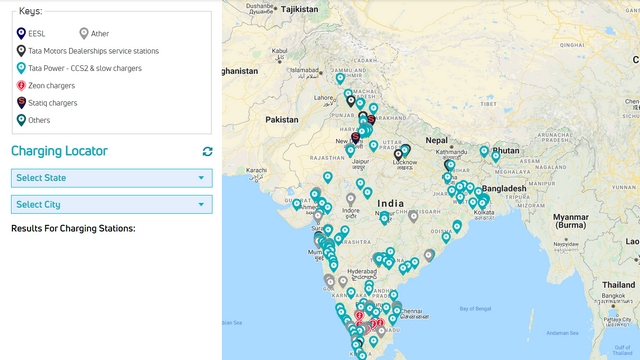
The availability of public EV charging stations in India is growing rapidly, making EV charging in India more practical than ever before. While home charging covers daily needs, public infrastructure plays a crucial role for long-distance travel and city driving without range anxiety. The expanding EV charging network in India is making it easier to find the nearest EV charging station using mobile apps.
With continuous investment from both government and private players, the network of EV charging stations India is expanding across highways, cities, and commercial hubs.
Where You Can Find EV Charging Stations
Today, electric car charging in India is no longer limited to a few locations. You can find chargers at:
- Shopping malls and supermarkets
- Office complexes and IT parks
- Petrol pumps and highways
- Hotels and parking spaces
These locations are helping improve the accessibility of public charging stations India for everyday users.
Types of Public Chargers Available
Public charging infrastructure includes both slow and fast options:
- AC chargers → Suitable for longer parking durations
- DC fast chargers → Ideal for quick top-ups and highway travel
The rise of fast charging EV India networks is reducing downtime and making EVs more practical for intercity journeys.
How to Locate Charging Stations
Finding EV charging stations in India is now easier with mobile apps and navigation systems.
- EV manufacturer apps
- Google Maps integration
- Third-party charging apps
These tools help users locate nearby public charging stations India, check availability, and even plan routes accordingly.
Growth of EV Charging Infrastructure in India
The future of EV charging infrastructure in India looks promising:
- Government initiatives supporting EV adoption
- Private companies investing in charging networks
- Increasing focus on highway fast chargers
This rapid growth ensures that EV charging in India will become even more seamless in the coming years.
Read More: Mercedes-Benz Vision V Concept Revealed
Ride And Tech Insight
The rapid growth of EV charging in India shows how quickly the country is adapting to electric mobility. What was once considered a major challenge—limited charging access—is now improving with better EV charging infrastructure in India, increased investment, and the rise of fast charging EV India solutions.
For most users, combining a reliable home EV charging setup with access to public EV charging stations in India creates a balanced and practical ownership experience. As technology advances, charging will become even faster, smarter, and more accessible across the country.
Conclusion
Understanding EV charging in India is essential before switching to an electric vehicle. From electric car charging in India methods and charging time to cost and infrastructure, every factor plays a role in your overall EV experience. With improving EV infrastructure growth in India, electric vehicles are becoming more practical for daily use.
With expanding EV charging stations India, improving technology, and strong government support, the future of electric mobility is more promising than ever. Whether you charge at home or rely on public charging stations India, EV ownership is becoming simpler, more efficient, and cost-effective.
Frequently Asked Questions (FAQs)
1. What is EV charging in India?
EV charging in India refers to the process of supplying electric power to recharge electric vehicles using home chargers or public EV charging stations in India. It includes both slow AC charging and fast DC charging methods.
2. How much does EV charging cost in India?
The EV charging cost in India depends on where you charge your vehicle.
- Home charging is cheaper and based on electricity rates
- Public charging stations may charge more, especially for fast charging EV India
Overall, electric car charging in India is much more affordable than petrol or diesel.
3. How long does it take to charge an EV in India?
The EV charging time in India varies depending on the charger type:
- AC charging: 6–10 hours
- DC fast charging: 30–60 minutes (up to 80%)
Fast chargers available at EV charging stations India significantly reduce charging time.
4. Can I charge my EV at home?
Yes, setting up a home EV charging setup is the most convenient option. Most EV owners in India rely on home charging for daily use, making EV charging in India simple and cost-effective.
5. Are EV charging stations easily available in India?
Yes, the number of EV charging stations in India is increasing rapidly. You can find public charging stations India in cities, highways, malls, and office complexes as part of the expanding EV charging infrastructure in India.
6. What is the difference between AC and DC charging?
The difference between AC vs DC charging EV is mainly speed and usage:
- AC charging → Slow, ideal for home
- DC charging → Fast, ideal for highways and quick charging
Both are essential for efficient electric vehicle charging in India.
7. Is EV charging cheaper than petrol in India?
Yes, EV charging in India is significantly cheaper than petrol or diesel. The cost per kilometer is lower, making EVs a more economical option in the long run.
If you found this guide helpful, explore more in our Celebrity Garage and detailed automotive insights on Ride And Tech, where we cover everything from cutting-edge EV tech to real-world ownership experiences.
Copyright (c) Ride And Tech. All rights reserved.

3 thoughts on “EV Charging in India: Cost, Time, Types & Home Setup Explained”