


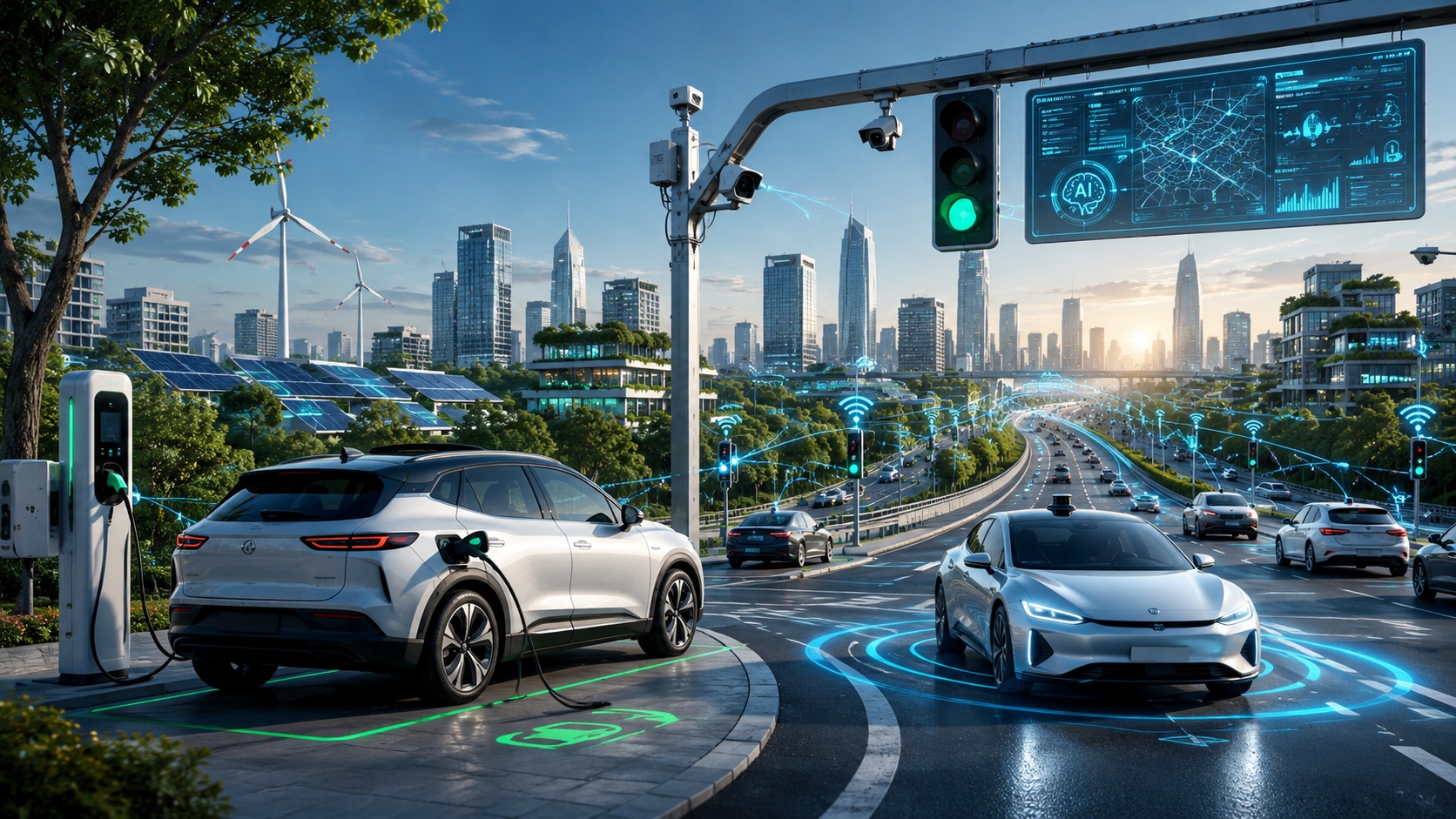
The future of transportation is being reshaped by rapid advancements in technology, sustainability, and digital connectivity. Future mobility is no longer just a vision—it is becoming a reality through innovations such as electric vehicles (EVs), autonomous driving, connected cars, artificial intelligence (AI), and smart transportation systems. These technologies are transforming how people and goods move while improving safety, efficiency, and environmental sustainability.
As cities grow and transportation demands increase, governments, automotive manufacturers, and technology companies are investing in cleaner and smarter mobility solutions. From intelligent traffic management and Mobility-as-a-Service (MaaS) platforms to advanced charging infrastructure and connected vehicle networks, the transportation industry is evolving to meet the needs of a modern world.
In this guide, we’ll explore what future mobility is, the technologies driving this transformation, its benefits and challenges, and how it is shaping the future of transportation in India and around the world.
What Is Future Mobility?
Future mobility refers to the next generation of transportation systems that use advanced technologies to make travel safer, cleaner, more efficient, and more connected. It goes beyond traditional vehicles by integrating innovations such as electric vehicles, autonomous driving, artificial intelligence, connected infrastructure, and digital mobility services into a seamless transportation ecosystem.
Unlike conventional transportation, future mobility focuses on reducing carbon emissions, improving road safety, easing traffic congestion, and enhancing the overall travel experience. It combines sustainable transportation with smart technologies to create intelligent mobility solutions that benefit both individuals and cities.
As urban populations continue to grow and environmental concerns become more significant, future mobility is expected to play a crucial role in building smarter cities and creating a more sustainable transportation network for the years ahead.
Key Technologies Driving Future Mobility
Future mobility is powered by several innovative technologies that are transforming how people and goods move. From electric vehicles and autonomous driving to connected cars, artificial intelligence, and smart mobility services, these advancements are making transportation safer, more efficient, and environmentally sustainable. Together, they form the foundation of the next generation of intelligent transportation systems.
Electric Vehicles (EVs)
Electric vehicles (EVs) are one of the most significant technologies driving future mobility. Unlike conventional vehicles powered by internal combustion engines, EVs use rechargeable battery systems to deliver cleaner, quieter, and more energy-efficient transportation. Their growing adoption is helping reduce greenhouse gas emissions while supporting the global shift toward sustainable mobility.
One of the biggest advantages of electric vehicles is their lower environmental impact. With zero tailpipe emissions, EVs contribute to improved air quality and help reduce dependence on fossil fuels. In addition, they generally have lower running and maintenance costs due to fewer moving mechanical parts, making them an attractive long-term option for many consumers.
Rapid advancements in battery technology are also transforming the EV landscape. Modern batteries offer longer driving ranges, faster charging capabilities, and improved durability, addressing many of the concerns that once limited widespread adoption. At the same time, governments and private companies are expanding public charging infrastructure, making electric mobility more convenient for everyday use.
As renewable energy sources become more integrated into charging networks and battery technology continues to evolve, electric vehicles are expected to play a central role in creating a cleaner, smarter, and more sustainable transportation ecosystem.
Read More: Electric Cars vs Gas Cars
Autonomous Vehicles
Autonomous vehicles, commonly known as self-driving cars, are another key innovation shaping future mobility. These vehicles use a combination of artificial intelligence (AI), cameras, radar, lidar, GPS, and advanced sensors to monitor their surroundings and make driving decisions with minimal or no human intervention.
The primary goal of autonomous driving technology is to improve road safety by reducing accidents caused by human error. Self-driving systems can detect obstacles, recognise traffic signs, maintain safe distances from other vehicles, and respond to changing road conditions more quickly than a human driver in many situations.
Although fully autonomous vehicles are still being tested and developed in many parts of the world, today’s vehicles already incorporate Advanced Driver Assistance Systems (ADAS) such as adaptive cruise control, lane-keeping assist, automatic emergency braking, and traffic sign recognition. These technologies represent important steps toward higher levels of vehicle automation.
As autonomous technology continues to evolve alongside improvements in artificial intelligence, connectivity, and regulations, self-driving vehicles are expected to make transportation safer, more efficient, and more accessible for people of all ages and abilities.
Connected Cars and Vehicle-to-Everything (V2X)
Connected cars are transforming future mobility by enabling vehicles to communicate with each other, road infrastructure, pedestrians, and cloud-based networks in real time. Using advanced connectivity technologies such as 5G, the Internet of Things (IoT), GPS, and cloud computing, connected vehicles can share critical information that improves road safety, traffic efficiency, and the overall driving experience.
A key component of this technology is Vehicle-to-Everything (V2X) communication. V2X allows vehicles to exchange data with nearby vehicles (Vehicle-to-Vehicle or V2V), traffic signals and road infrastructure (Vehicle-to-Infrastructure or V2I), pedestrians (Vehicle-to-Pedestrian or V2P), and wider communication networks (Vehicle-to-Network or V2N). This continuous exchange of information helps drivers and automated systems anticipate potential hazards, optimise routes, and respond more effectively to changing road conditions.
Connected vehicle technology also supports features such as real-time navigation, remote vehicle diagnostics, over-the-air software updates, predictive maintenance, and emergency assistance. These capabilities not only enhance convenience but also improve vehicle performance and reduce downtime.
As connected infrastructure continues to expand and communication technologies become more advanced, connected cars and V2X systems will play a crucial role in creating safer, smarter, and more efficient transportation networks.
Artificial Intelligence (AI) in Transportation
Artificial Intelligence (AI) is one of the most transformative technologies driving future mobility. By analysing vast amounts of real-time data, AI enables vehicles and transportation systems to make intelligent decisions, improve operational efficiency, and enhance road safety.
In modern vehicles, AI powers advanced features such as driver assistance systems, predictive navigation, voice recognition, and autonomous driving capabilities. It can process information from cameras, radar, lidar, and other sensors to detect obstacles, recognise traffic signs, monitor surrounding vehicles, and assist drivers in making safer decisions.
Beyond individual vehicles, AI is also transforming transportation infrastructure. Smart traffic management systems use AI to optimise traffic signals, predict congestion, recommend alternative routes, and improve the efficiency of public transportation networks. Logistics companies also use AI to optimise delivery routes, reduce fuel consumption, and improve fleet management.
As artificial intelligence continues to evolve, it will play an increasingly important role in creating safer, smarter, and more sustainable transportation systems, making mobility more efficient for both individuals and businesses.
Internet of Things (IoT)
The Internet of Things (IoT) is a key technology enabling future mobility by connecting vehicles, infrastructure, and transportation systems through a network of smart sensors and internet-connected devices. This constant exchange of real-time data helps improve traffic management, road safety, and the overall efficiency of transportation networks.
In the automotive industry, IoT allows vehicles to continuously monitor their performance and communicate important information such as tyre pressure, engine health, battery status, fuel levels, and maintenance requirements. This enables predictive maintenance, helping drivers and fleet operators identify potential issues before they become major problems, reducing downtime and repair costs.
IoT also plays a vital role in building smart cities. Connected traffic signals, parking systems, road sensors, and surveillance cameras collect and share real-time information to optimise traffic flow, reduce congestion, and improve emergency response times. These intelligent systems help cities operate more efficiently while enhancing the travel experience for commuters.
As more devices become interconnected through high-speed communication networks, the Internet of Things will continue to strengthen future mobility by creating safer, more connected, and data-driven transportation ecosystems.
Mobility-as-a-Service (MaaS)
Mobility-as-a-Service (MaaS) is transforming future mobility by integrating multiple transportation options into a single, connected digital platform. Instead of relying on a privately owned vehicle for every journey, MaaS allows users to plan, book, and pay for different modes of transport—such as buses, trains, metro services, taxis, ride-sharing, bike-sharing, and e-scooters—through one application.
The primary goal of MaaS is to provide a seamless and convenient travel experience while reducing traffic congestion, transportation costs, and environmental impact. By offering flexible travel options, commuters can choose the most efficient, affordable, and sustainable route based on real-time traffic conditions, travel time, and personal preferences.
For cities, Mobility-as-a-Service supports smarter urban planning by encouraging the use of public transportation and shared mobility services. This reduces the number of private vehicles on the road, improves the utilisation of existing transportation infrastructure, and contributes to cleaner, more sustainable urban environments.
As digital connectivity, mobile technology, and intelligent transportation systems continue to evolve, Mobility-as-a-Service is expected to become a key component of modern transportation networks, making travel more accessible, efficient, and environmentally responsible.
How Smart Transportation Is Shaping Future Mobility
Smart transportation is the practical application of the technologies driving future mobility. By combining electric vehicles, autonomous driving, connected cars, artificial intelligence (AI), the Internet of Things (IoT), and Mobility-as-a-Service (MaaS), modern transportation systems are becoming more intelligent, efficient, and sustainable.
Unlike traditional transportation networks, smart transportation relies on real-time data, digital connectivity, and automated decision-making to optimise traffic flow, improve road safety, and enhance the overall travel experience. Connected infrastructure, smart traffic signals, and intelligent navigation systems continuously communicate with vehicles and traffic management centres to reduce congestion, minimise delays, and improve fuel and energy efficiency.
Smart transportation also plays a vital role in the development of smart cities. Intelligent public transport systems, integrated mobility services, and advanced traffic management solutions enable commuters to travel more efficiently while reducing emissions and making better use of existing infrastructure. These innovations not only improve daily commuting but also support long-term environmental and economic sustainability.
As governments and technology companies continue investing in intelligent transportation systems, smart transportation will become the foundation of future mobility, creating safer, cleaner, and more connected transportation networks for people and businesses alike.
Benefits of Future Mobility
Future mobility offers numerous benefits for individuals, businesses, and cities by making transportation safer, more efficient, and environmentally sustainable. As advanced technologies continue to evolve, intelligent mobility solutions are helping address many of the challenges associated with traditional transportation systems.
Improved Road Safety
Advanced technologies such as autonomous driving systems, artificial intelligence, connected vehicles, and Advanced Driver Assistance Systems (ADAS) help reduce the risk of accidents caused by human error. Features like automatic emergency braking, lane-keeping assistance, collision warnings, and real-time traffic monitoring contribute to safer roads for drivers, passengers, cyclists, and pedestrians.
Reduced Traffic Congestion
Smart transportation systems use real-time data, intelligent traffic signals, and connected infrastructure to optimise traffic flow and minimise congestion. By improving route planning and coordinating vehicle movement, these systems help reduce travel times while improving the overall efficiency of urban transportation networks.
Lower Environmental Impact
Future mobility supports sustainable transportation by encouraging the adoption of electric vehicles, shared mobility services, and cleaner energy sources. These innovations help reduce greenhouse gas emissions, improve air quality, and decrease dependence on fossil fuels, contributing to a more environmentally friendly transportation ecosystem.
Greater Convenience and Accessibility
Digital mobility platforms such as Mobility-as-a-Service (MaaS), connected vehicles, and real-time navigation systems provide travellers with greater flexibility and convenience. Integrated transportation services make it easier to plan journeys, switch between different modes of transport, and access mobility solutions that meet individual needs.
Improved Operational Efficiency
Artificial intelligence, IoT, and connected transportation systems help optimise fleet management, predictive maintenance, and logistics operations. Businesses can improve productivity, reduce operating costs, and deliver goods more efficiently, while public transportation providers can offer more reliable and efficient services.
Supporting Smarter Cities
Future mobility plays an essential role in the development of smart cities by integrating intelligent transportation systems with digital infrastructure. Connected roads, smart traffic management, EV charging networks, and data-driven urban planning help cities improve mobility, reduce congestion, and create more sustainable communities for future generations.
Challenges of Future Mobility
While future mobility offers significant advantages, its widespread adoption also comes with several challenges. Overcoming these barriers will require continued technological innovation, supportive government policies, infrastructure development, and collaboration between the automotive, technology, and transportation sectors.
Infrastructure Development
One of the biggest challenges is building the infrastructure needed to support future mobility. Expanding EV charging networks, upgrading road infrastructure, deploying smart traffic systems, and improving digital connectivity require substantial investment and long-term planning. In many regions, especially rural areas, the necessary infrastructure is still developing.
High Initial Costs
Many future mobility technologies, including electric vehicles, autonomous driving systems, and connected vehicle platforms, involve higher upfront costs than conventional transportation solutions. Although operating costs may decrease over time, the initial investment can remain a barrier for some consumers and businesses.
Cybersecurity and Data Privacy
Connected vehicles and intelligent transportation systems rely on continuous data exchange between vehicles, infrastructure, and cloud-based platforms. Protecting these systems from cyber threats while ensuring user privacy is becoming increasingly important. Strong cybersecurity measures and secure data management will be essential for maintaining public trust.
Regulations and Standardization
As transportation technologies evolve, governments and regulatory authorities must develop clear policies and safety standards. Establishing consistent regulations for autonomous vehicles, connected cars, data sharing, and intelligent transportation systems will help ensure safe deployment and encourage wider adoption.
Public Adoption and Awareness
The success of future mobility also depends on public acceptance. Many consumers still have concerns about electric vehicle range, charging availability, autonomous driving safety, and new mobility services. Increasing awareness, improving infrastructure, and demonstrating the reliability of these technologies will play a key role in encouraging broader adoption.
Environmental and Resource Challenges
Although future mobility supports sustainability, it also introduces new environmental considerations. Battery production, recycling, responsible sourcing of raw materials, and the long-term disposal of electronic components require sustainable solutions to minimise environmental impact throughout a vehicle’s lifecycle.
Future Mobility in India
India is rapidly emerging as a key player in the global future mobility landscape. Driven by government initiatives, technological innovation, and growing consumer awareness, the country is investing heavily in cleaner, smarter, and more efficient transportation systems. From expanding electric vehicle adoption to developing smart city infrastructure, India is laying the foundation for the next generation of mobility.
One of the major drivers of this transformation is the increasing adoption of electric vehicles. Government programmes such as the Faster Adoption and Manufacturing of Electric Vehicles (FAME) initiative have encouraged the development of EV charging infrastructure, supported vehicle manufacturers, and promoted cleaner transportation solutions. At the same time, leading Indian automakers are introducing new electric cars, electric two-wheelers, and commercial EVs to meet growing market demand.
India’s Smart Cities Mission is also contributing to the future of transportation by integrating intelligent traffic management systems, digital infrastructure, smart public transport, and connected mobility solutions. These initiatives aim to reduce traffic congestion, improve road safety, and enhance the overall commuting experience in rapidly growing urban areas.
Advancements in connected vehicle technology, artificial intelligence, and digital mobility platforms are further transforming transportation across the country. Ride-sharing services, app-based public transport, and Mobility-as-a-Service (MaaS) solutions are making travel more convenient while supporting sustainable urban development.
As investments in electric mobility, intelligent transportation systems, and digital infrastructure continue to grow, India is well positioned to become one of the world’s leading markets for future mobility, creating safer, cleaner, and more connected transportation networks for the years ahead.
The Future of Mobility
The future of mobility is expected to be defined by greater automation, cleaner energy, intelligent connectivity, and seamless transportation experiences. As technology continues to evolve, transportation systems will become increasingly integrated, allowing vehicles, infrastructure, and digital services to work together to create safer, more efficient, and more sustainable mobility solutions.
One of the most exciting developments is the advancement of autonomous transportation. Self-driving cars, autonomous buses, and robotaxis have the potential to improve road safety, reduce traffic congestion, and provide greater mobility for elderly and differently abled individuals. As artificial intelligence and sensor technologies continue to improve, higher levels of vehicle automation are expected to become more common.
The transportation industry is also exploring new forms of mobility beyond traditional road vehicles. Electric Vertical Take-Off and Landing (eVTOL) aircraft, commonly referred to as flying taxis, are being developed to support urban air mobility by reducing travel times in densely populated cities. At the same time, hydrogen-powered vehicles are emerging as a promising solution for long-distance transportation and heavy commercial vehicles, complementing battery electric vehicles in the transition toward cleaner mobility.
Advancements in artificial intelligence, 5G connectivity, and smart infrastructure will further strengthen intelligent transportation systems. Real-time communication between vehicles, roads, and traffic management centres will enable faster decision-making, improved traffic flow, and enhanced road safety. Combined with renewable energy and digital mobility platforms, these innovations will create a more connected and sustainable transportation ecosystem.
Although challenges such as infrastructure development, regulations, and technology adoption remain, the future of mobility presents enormous opportunities to reshape how people and goods move. As innovation continues, transportation is expected to become smarter, safer, cleaner, and more accessible, benefiting individuals, businesses, and communities around the world.
Frequently Asked Questions (FAQs)
What is future mobility?
Future mobility refers to the next generation of transportation that combines advanced technologies such as electric vehicles (EVs), autonomous vehicles, connected cars, artificial intelligence (AI), and smart transportation systems. Its goal is to make transportation safer, more efficient, sustainable, and accessible.
Why is future mobility important?
Future mobility helps address challenges such as traffic congestion, road safety, air pollution, and carbon emissions. By integrating intelligent technologies and sustainable transportation solutions, it improves the overall travel experience while supporting the development of smarter cities.
What technologies are driving future mobility?
The key technologies driving future mobility include electric vehicles, autonomous driving, connected cars, Vehicle-to-Everything (V2X) communication, artificial intelligence (AI), the Internet of Things (IoT), Mobility-as-a-Service (MaaS), and 5G connectivity.
How do connected cars improve transportation?
Connected cars communicate with other vehicles, road infrastructure, and cloud-based systems using technologies such as V2X and IoT. This enables real-time traffic updates, enhanced navigation, predictive maintenance, improved safety features, and more efficient traffic management.
What is the difference between smart transportation and future mobility?
Future mobility is the broader concept that encompasses all innovations shaping the future of transportation, including electric vehicles, autonomous driving, and digital mobility services. Smart transportation is one of its key components, focusing on using connected technologies, real-time data, and intelligent infrastructure to improve transportation efficiency and safety.
Is India ready for future mobility?
India is making significant progress through initiatives such as the FAME scheme, the Smart Cities Mission, expanding EV charging infrastructure, and increasing investments in electric vehicles, connected mobility, and intelligent transportation systems. While challenges remain, India is steadily moving toward a smarter and more sustainable transportation ecosystem.
What is the future of transportation?
The future of transportation is expected to include greater adoption of electric and hydrogen-powered vehicles, autonomous transportation, connected infrastructure, AI-powered traffic management, Mobility-as-a-Service platforms, and emerging technologies such as robotaxis and electric air taxis (eVTOLs).
Conclusion
Future mobility is transforming the way people and goods move by combining innovative technologies with sustainable transportation solutions. From electric vehicles and autonomous driving to connected cars, artificial intelligence, and smart transportation systems, these advancements are creating safer, cleaner, and more efficient mobility networks around the world.
While challenges such as infrastructure development, regulations, and cybersecurity still need to be addressed, ongoing investments in technology and smart city initiatives are accelerating the transition toward intelligent transportation. As governments, automakers, and technology companies continue to innovate, future mobility will play a crucial role in reducing emissions, improving road safety, and enhancing the overall travel experience.
Whether you’re an automotive enthusiast, a technology professional, or simply curious about the future of transportation, understanding these emerging trends will help you stay ahead in a rapidly evolving industry. The journey toward smarter, more connected, and sustainable mobility has already begun—and its impact will shape the future for generations to come.
The road to smarter mobility starts with knowledge. Follow Ride And Tech for the latest automotive news, technology insights, EV updates, buying guides, and expert analysis that keep you ahead of the curve.
Copyright (c) Ride And Tech. All rights reserved.

2 thoughts on “Future Mobility: How Smart Technology Is Revolutionizing Transportation”