


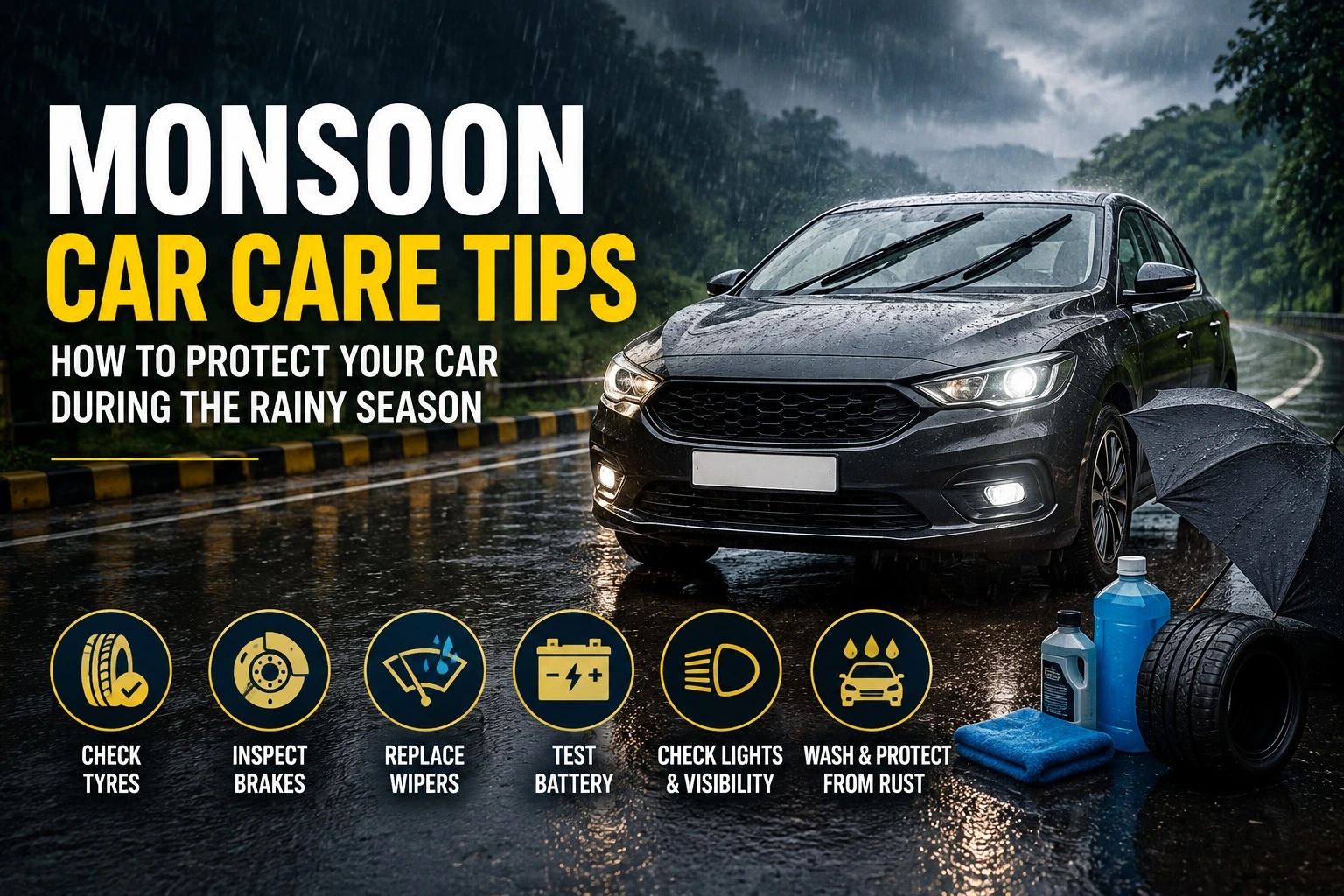
The monsoon season brings welcome relief from the summer heat, but it also creates challenging driving conditions. Heavy rain, waterlogged roads, slippery surfaces, and increased humidity can affect your car’s performance and safety if proper care isn’t taken.
Following a few essential monsoon car care tips can help prevent costly repairs, improve visibility, and keep your vehicle running smoothly throughout the rainy season. From checking your tyres and brakes to protecting the engine and maintaining the cabin, a little preparation goes a long way.
In this guide, we’ll share practical tips every car owner should follow to keep their vehicle safe, reliable, and ready for the monsoon.
Why Monsoon Car Care Is Important
The rainy season can be tough on your vehicle if regular maintenance is ignored. Waterlogged roads, poor visibility, mud, and high humidity increase the risk of mechanical problems, reduced braking efficiency, and corrosion. Following proper monsoon car care tips not only improves your driving safety but also extends the life of your vehicle.
Regular car maintenance in the rainy season helps prevent expensive repairs and ensures your car performs reliably during unpredictable weather. A well-maintained vehicle offers better grip on wet roads, improved visibility, and more confidence while driving in heavy rain.
Before the monsoon arrives, every car owner should inspect key components such as:
- Tyres: Check tread depth, tyre pressure, and look for signs of uneven wear to maintain proper grip on wet roads.
- Brakes: Ensure the braking system responds effectively, as wet conditions can increase stopping distances.
- Windshield Wipers: Replace worn-out blades to maintain clear visibility during heavy rainfall.
- Car Battery: Inspect battery terminals and charge levels, as moisture can affect electrical performance.
- Lights: Verify that headlights, taillights, brake lights, and fog lamps are working properly to improve visibility for you and other road users.
Taking these preventive steps before the rainy season begins is one of the simplest yet most effective rainy season car care practices. A few minutes spent on inspection today can save you from unexpected breakdowns and costly repairs later.

Read More: Wheel Alignment vs Wheel Balancing
Essential Monsoon Car Care Tips Every Car Owner Should Follow
Preparing your vehicle for the rainy season doesn’t require expensive upgrades. Following these monsoon car care tips regularly can improve safety, reduce maintenance costs, and help prevent unexpected breakdowns. Here are the most important checks every car owner should include in their car care checklist.
1. Inspect Your Tyres Regularly
Tyres are your car’s only contact with the road, making them critical for safe driving during the monsoon. Worn-out tyres have reduced grip on wet surfaces and increase the risk of hydroplaning.
- Check that the tread depth is adequate.
- Maintain the manufacturer-recommended tyre pressure.
- Look for cracks, cuts, or uneven wear.
- Rotate tyres at regular service intervals.
Proper tyre maintenance ensures better traction and improved stability during heavy rainfall.
2. Check the Braking System
Wet roads naturally increase stopping distances, making an efficient braking system essential. If you notice unusual noises, vibrations, or reduced braking performance, have the brakes inspected immediately.
Pay attention to:
- Brake pads and discs
- Brake fluid level
- ABS warning light
- Brake response during normal driving
Good brake maintenance is one of the most important monsoon driving tips for preventing accidents.
3. Replace Worn Windshield Wipers
Clear visibility is essential when driving in heavy rain. Old or damaged windshield wipers often leave streaks that reduce visibility.
For the best performance:
- Replace wiper blades every 6–12 months.
- Refill the windshield washer fluid.
- Clean the windshield regularly to remove dirt and oil.
- Inspect the washer nozzles for proper spray.
Good visibility helps you react quickly to changing road conditions.
4. Test Your Car Battery
High humidity and continuous use of headlights, wipers, and the air conditioner can put additional strain on your vehicle’s electrical system.
As part of your car battery care routine:
- Inspect battery terminals for corrosion.
- Ensure all connections are secure.
- Check the battery voltage during servicing.
- Replace an ageing battery before it fails unexpectedly.
A healthy battery reduces the risk of being stranded during bad weather.
5. Protect Your Car from Rust
Constant exposure to rainwater, mud, and moisture can lead to corrosion, especially underneath the vehicle.
To improve rust protection:
- Wash your car regularly after driving through muddy roads.
- Clean the underbody whenever possible.
- Dry door seals and rubber linings after washing.
- Apply protective wax to preserve the paint finish.
Taking these simple steps helps maintain your car’s appearance and protects its body from long-term damage.
6. Check Your Sunroof Drains (If Equipped)
If your car has a sunroof, make sure it is fully closed before driving in heavy rain. More importantly, inspect and clean the sunroof drainage channels regularly. Leaves, dust, and dirt can block the drains, causing water to overflow into the cabin and potentially damage the headliner, upholstery, or electronic components.
Pro Tip: Pour a small amount of clean water into the sunroof drain channels occasionally to ensure they drain properly. If water collects around the sunroof or leaks inside the cabin, have the drainage system cleaned as soon as possible.
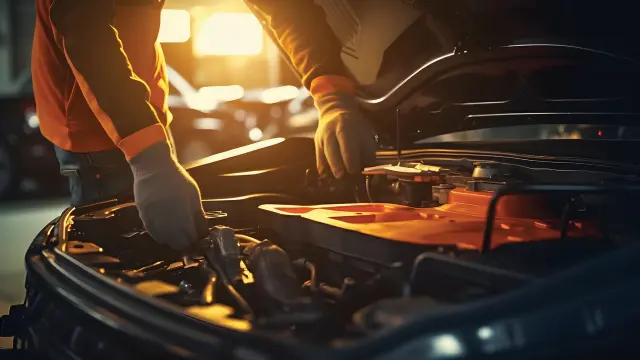
Driving Tips for the Monsoon Season
Taking care of your car is only one part of staying safe during the rainy season. Adopting safe driving habits is equally important, as wet roads and reduced visibility can increase the chances of accidents. These monsoon driving tips will help you stay in control and protect both your vehicle and other road users.
Drive at a Safe Speed
Rain reduces tyre grip and increases braking distance. Avoid speeding, especially on highways and waterlogged roads. Maintaining a moderate speed gives you more time to react to sudden obstacles or slippery surfaces.
Maintain a Safe Following Distance
Keep a greater distance from the vehicle ahead than you normally would. This extra space provides sufficient time to brake safely if traffic slows down unexpectedly.
Avoid Sudden Braking and Sharp Turns
Quick acceleration, hard braking, or sudden steering inputs can cause the tyres to lose traction on wet roads. Drive smoothly and make gradual steering and braking movements for better stability.
Switch on Your Headlights
Use your headlights during heavy rain, even during the daytime. This improves your visibility and makes your vehicle easier for others to see. Avoid using high beams in heavy rain, as they can reflect off raindrops and reduce visibility.
Be Cautious Around Waterlogged Roads
Avoid driving through deep water whenever possible. Hidden potholes and uneven road surfaces can damage the suspension, wheels, brakes, or even the engine. If you are unsure about the water depth, choose an alternate route.
Avoid Cruise Control on Wet Roads
Cruise control can reduce your ability to react quickly to slippery conditions. Maintaining full control of the accelerator allows you to respond immediately if your car begins to skid.
Stay Alert for Pedestrians and Two-Wheelers
Rain can reduce visibility for everyone on the road. Be extra cautious around pedestrians, cyclists, and motorcyclists, especially in urban areas where roads can become crowded during bad weather.
Following these monsoon car care tips and safe driving practices not only protects your vehicle but also helps ensure a safer journey for everyone on the road.
Common Monsoon Car Care Mistakes to Avoid
Even if you follow the best monsoon car care tips, a few common mistakes can still affect your vehicle’s performance and safety. Avoiding these errors will help keep your car reliable throughout the rainy season.
Ignoring Small Water Leaks
A small water leak around the doors, windows, or windshield can lead to damp interiors, unpleasant odours, and even electrical problems if left unattended. If you notice water entering the cabin, get it inspected as soon as possible.
Delaying Car Washing After Rain
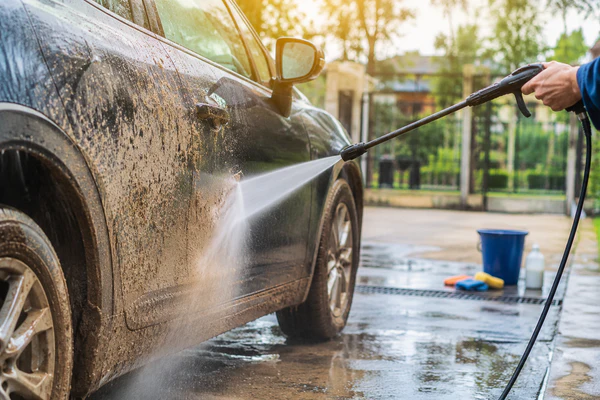
Many car owners believe rainwater cleans their vehicle, but it actually contains dust, pollutants, and contaminants that can damage the paint over time. Washing and drying your car after driving in heavy rain helps maintain the paint finish and reduces the risk of rust.
Driving Through Deep Water
Driving through flooded roads can cause serious damage to the engine, transmission, and electrical components. If the water level looks unsafe or you cannot judge its depth, it is always better to take an alternative route.
Neglecting Tyre and Brake Inspections
Tyres and brakes play a crucial role during the monsoon. Ignoring worn tyres or reduced braking performance increases the risk of skidding and longer stopping distances on wet roads. Regular inspections are an essential part of rainy season car maintenance.
Forgetting Regular Maintenance
Routine servicing becomes even more important during the rainy season. Checking engine fluids, air filters, battery condition, lights, and windshield wipers ensures your vehicle remains safe and dependable throughout the monsoon.
By avoiding these common mistakes and following proper monsoon car care tips, you can improve your car’s performance, enhance driving safety, and reduce the chances of unexpected repairs during the rainy season.
Conclusion
The monsoon season can be challenging for both drivers and vehicles, but a little preparation can make a significant difference. Following these monsoon car care tips will help you improve safety, reduce the risk of unexpected breakdowns, and protect your vehicle from rain-related damage.
Simple practices like checking your tyres and brakes, replacing worn windshield wipers, maintaining the battery, protecting your car from rust, and driving carefully on wet roads can keep your vehicle in excellent condition throughout the rainy season.
Regular car maintenance during the rainy season not only extends the life of your vehicle but also provides peace of mind every time you get behind the wheel. Make these seasonal checks a part of your maintenance routine, and you’ll be better prepared to enjoy safer and more comfortable journeys, regardless of the weather.
Frequently Asked Questions (FAQs)
1. How often should I wash my car during the monsoon?
It is recommended to wash your car at least once a week during the rainy season. Regular cleaning removes mud, road salt, and contaminants that can damage the paint and lead to rust.
2. Can rainwater damage my car’s paint?
Yes. Rainwater may contain pollutants and acidic contaminants that can affect your car’s paint if left on the surface for a long time. Washing and drying your vehicle after heavy rain helps maintain its finish.
3. When should I replace my windshield wipers?
If your windshield wipers leave streaks, make unusual noises, or fail to clear water effectively, it’s time to replace them. Good visibility is essential for safe driving during the monsoon.
4. Is it safe to drive through waterlogged roads?
It is best to avoid driving through deep water whenever possible. Water can damage the engine, electrical components, brakes, and transmission. If you cannot judge the water depth, choose a safer alternative route.
5. Why is tyre maintenance important during the rainy season?
Proper tyre tread and correct tyre pressure improve grip on wet roads, reduce the risk of hydroplaning, and enhance overall vehicle stability. Regular tyre inspections are one of the most important monsoon car care tips.
6. How can I protect my car from rust during the monsoon?
Wash your car regularly, clean the underbody after driving through muddy or flooded roads, dry the vehicle thoroughly, and apply a quality protective wax to reduce the chances of corrosion.
Regular vehicle maintenance and safe driving habits are essential for keeping your car reliable and safe in every season. By following these monsoon car care tips, you can protect your vehicle, reduce maintenance costs, and enjoy a safer driving experience throughout the rainy season.
Stay connected with Ride And Tech for the latest automotive news, buying guides, vehicle care tips, reviews, and expert insights that help you make informed decisions on every journey.
Drive Smarter. Ride Smarter.
Copyright (c) Ride And Tech. All rights reserved.

2 thoughts on “Monsoon Car Care Tips: How to Protect Your Car During the Rainy Season”